How to Calibrate Garmin Stride Length
To calibrate Garmin stride length, record a walk or run over a known distance and adjust the stride setting using Garmin’s instructions for your device. Use a measured route and a steady pace, then check whether the watch’s distance estimate improves.
On this page (8 sections)
- What does Garmin stride length calibration change?
- How do you calibrate Garmin stride length?
- How is treadmill calibration different from stride length adjustment?
- How can you make distance comparisons more reliable?
- Which accessories can help with training data?
- Why might Garmin distance still be off?
- When should you reset Garmin treadmill calibration?
- How to calibrate Garmin stride length for better distance estimates
To calibrate Garmin stride length, compare a watch-recorded walk or run with a known distance, then adjust the setting only if your model supports it. For a broader look at Garmin fitness trackers, see our guide.
Garmin menus and methods vary, so check the device instructions before making a change.
Stride length is only one possible input to distance. Outdoor GPS, treadmill calibration, foot pods, and watch model can all affect the result.
What does Garmin stride length calibration change?
Stride length calibration aims to improve distance estimates when your watch uses steps to estimate how far you moved. A different stride setting can change the distance calculated from the same number of steps.
The watch may use GPS outdoors and another method indoors. Check the activity and sensor settings for your specific model before assuming that stride length controls every distance reading.
Use a flat, measured route for a walking or running comparison. Keep your pace steady, record the activity, and compare the watch result with the route distance.
How do you calibrate Garmin stride length?
Start with a measured distance and the instructions for your Garmin model. Record the activity at a steady pace, compare the result with the known distance, and use a manual adjustment only if your watch offers one.
- Find a route with a reliable, known distance.
- Choose whether you’re checking walking or running.
- Record the full route with the watch, following Garmin’s guidance for the activity.
- Compare the watch’s distance with the measured distance.
- If your model supports stride adjustment, change the setting as its instructions describe.
- Repeat the same route and pace to see whether the estimate changes.
Avoid changing stride length based on a short walk. Small measurement errors can make a short route look more inaccurate than it is.
How do you calibrate Garmin stride length for a walk?
Walk a measured route at your usual pace and compare the watch’s distance with the route length. If your model allows a walking-specific adjustment, follow its manual and repeat the route to check the result.
A comfortable, steady pace makes comparisons easier. Hills, frequent stops, and sharp turns can make a route less useful for calibration.
How do you calibrate Garmin stride length for a run?
Run a measured route at a steady pace, then check whether your watch offers a running calibration or stride setting. Follow the model’s instructions and retest under similar conditions.
Running stride can differ from walking stride. If your device supports separate activity calibration, avoid using a walking result to set a running value.
How is treadmill calibration different from stride length adjustment?
Treadmill calibration uses a recorded indoor run and the treadmill’s displayed distance to correct that activity’s distance estimate. It may not be the same setting as a general stride length adjustment.
On supported watches, finish the run and follow the calibration prompt shown on the device. If the prompt is missing, see why the Garmin calibration option is missing.
Check the display against the treadmill and enter the requested value only when your model offers that option.
For model-specific steps, see our guides on how to calibrate Garmin 165, Garmin 8 Fenix treadmill calibration, and the Fenix 7 Pro Solar treadmill calibration option.
If a calibration prompt or distance reading behaves unexpectedly, review why Garmin treadmill calibration may not be working. You can also follow our guide to reset treadmill calibration on Garmin if your watch provides that option.
How can you make distance comparisons more reliable?
Use the same route, watch, activity type, and pace for each comparison. Keep the watch secure on your wrist and give GPS time to settle before an outdoor recording.
A route measured by a track or a reliable mapping tool is more useful than a rough estimate. Record the full route, including any turns, rather than stopping early to match a rounded distance.
If you’re calibrating indoors, follow the watch’s prompt and compare it with the treadmill display. Our guide to how to calibrate a treadmill explains why the machine’s own distance display may need a separate check.
Which accessories can help with training data?
A compatible sensor can provide extra workout data, but it won’t automatically correct stride length. Choose an accessory for the measurement you want, and check compatibility with your watch before buying.
A heart rate monitor is a separate way to track heart rate during exercise. It doesn’t measure distance or replace a Garmin calibration.
The Polar Pro Chest Strap is designed for heart rate measurement and uses a snap attachment method with compatible Polar sensors.
The Zacurate Pro Series 500DL measures SpO2 and pulse rate on a fingertip, so it is not a stride calibration tool.
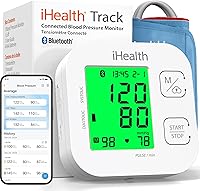
The iHealth Track Smart Upper Arm Blood Pressure monitor tracks blood pressure readings through the device or its smartphone apps.
Why might Garmin distance still be off?
A stride adjustment may not solve a distance issue caused by GPS, treadmill settings, or a model-specific limitation. Check how the watch recorded the activity before changing settings.
For outdoor runs, poor GPS reception or starting before the watch has acquired a signal can affect distance. For indoor runs, the watch may estimate distance from movement data and require treadmill calibration.
Check that you selected the correct activity profile and that any paired sensors are supported and connected. If the watch continues to show an unexpected result, consult Garmin’s instructions for that model and review its sensor settings.
When should you reset Garmin treadmill calibration?
Reset a treadmill calibration only if your watch has an option for it and a previous adjustment appears to be causing inconsistent results. Record the current setting first, then follow the model’s instructions.
After resetting, calibrate again on a measured treadmill run. Keep pace and conditions similar so you can compare the new result with the previous one.
How to calibrate Garmin stride length for better distance estimates
Use a measured route to check walking or running stride data, and use treadmill calibration for indoor distance when your model supports it. Garmin menus differ, so confirm which method applies before changing a setting.
Choose the outdoor route method when you want to compare distance over known ground. Choose the watch’s treadmill calibration prompt for an indoor run, then retest at a similar pace if the estimate remains off.
Frequently asked questions
Can you manually set stride length on a Garmin watch?
Some Garmin watches let you adjust stride-related settings, while others estimate distance from GPS or treadmill calibration. Menu names and options differ by model, so check your watch’s manual or Garmin support instructions before changing a setting.
A measured outdoor route can help you compare the estimate with a known distance.
How do you calibrate a Garmin for treadmill distance?
Run on the treadmill until the watch has recorded at least the distance required by its calibration prompt, then use the watch’s calibration option and enter the treadmill distance. The exact process varies by model.
Check the treadmill display and your watch instructions before saving a change.
Does stride length affect Garmin distance?
Stride length can affect distance estimates when a watch relies on step count and stride data, such as in some indoor or low-GPS situations. Outdoor GPS tracking may use a different method.
Compare measurements on a known route and follow your Garmin model’s instructions to see which settings apply.
Should you change stride length for walking and running?
Walking and running can use different stride patterns, so one setting may not represent both well if your watch allows separate adjustments. Check whether your model supports activity-specific calibration.
Use a measured route at the pace you want to calibrate, and avoid changing several settings at once.