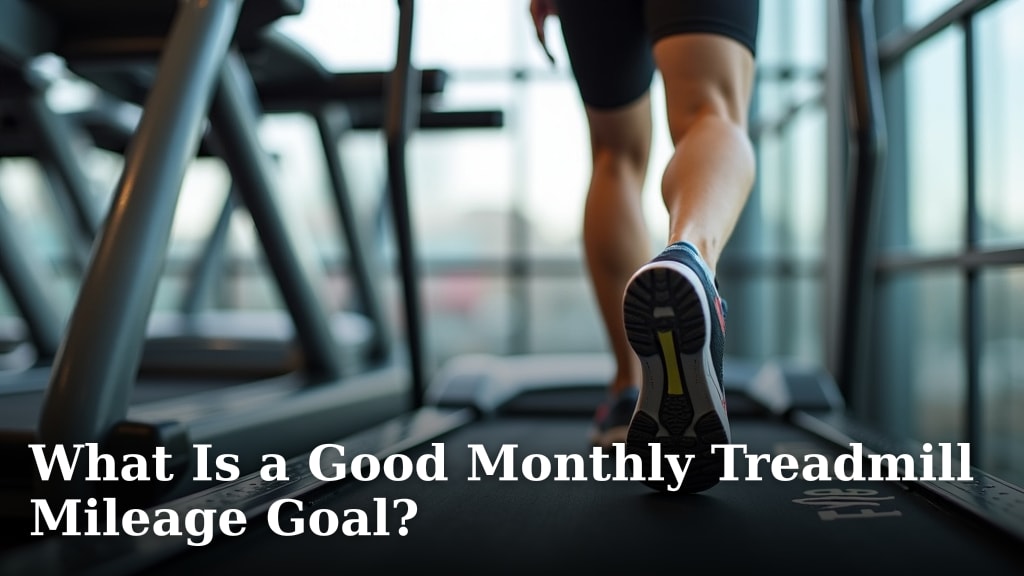
How to Cool Down After a Treadmill Workout?
On this page (7 sections)
Cooling down after your treadmill workout is essential for recovery and preventing muscle soreness. You should spend at least 5-10 minutes gradually reducing your pace and intensity. This helps your heart rate return to normal and your muscles relax. Don’t skip this vital step; your body will thank you!
Proper cool-down techniques can improve flexibility and reduce the risk of injury. Many people rush this part, but it’s as important as the workout itself. Think of it as giving your body a gentle thank you for all its hard work. We found that a consistent cool-down routine makes a big difference in how you feel the next day.
- Gradually slow down your pace.
- Incorporate light stretching.
- Focus on deep breathing.
- Stay hydrated.
Ready to feel amazing after your next run? Let’s walk through the best ways to cool down and recover.
“`htmlBringing Your Body Back Down After a Treadmill Run
You just crushed your treadmill workout! Your heart is pumping, and you’re feeling that satisfying post-exercise glow. But wait! Don’t just hop off and go about your day. Cooling down is a vital part of your fitness routine. We found that skipping it can lead to stiffness and slower recovery.
Think of your cool-down as the gentle landing after a thrilling flight. It’s not just about slowing down; it’s about helping your body transition safely and efficiently. Many experts agree that a proper cool-down aids in muscle repair and reduces fatigue (CDC).
The Science Behind the Slowdown
When you exercise intensely, your heart rate and blood pressure increase. Your muscles work hard, using up energy stores and accumulating waste products like lactic acid. A cool-down helps reverse these processes gradually.
Running at a high intensity causes blood to pool in your extremities. A cool-down helps to gently bring that blood flow back to your core. This prevents blood pooling and helps your cardiovascular system return to its resting state. We found this helps avoid dizziness or lightheadedness.
Gradually decreasing your intensity allows your body to clear metabolic byproducts more effectively. This means less muscle soreness the next day. Studies have shown that a sustained cool-down can improve recovery markers (NCBI).
Your Step-by-Step Treadmill Cool-Down Guide
So, what does a good cool-down actually look like after you’ve been pounding the treadmill? It’s simpler than you might think and can be tailored to your workout intensity.
Phase 1: The Gradual Pace Reduction
This is the most important part of your cool-down. Don’t stop abruptly! Transition from your running pace to a brisk walk, then to a slower stroll.
If you were running at a 10 mph pace, start by dropping to an 8 mph jog for a minute or two. Then, reduce to a 5 mph brisk walk for another 2-3 minutes. Finally, ease into a 3 mph or slower walk for 2-3 minutes.
The goal here is to bring your heart rate down steadily. Many fitness guidelines recommend this phase lasts at least 5-10 minutes (Mayo Clinic). Listen to your body; if you still feel winded, extend this phase a bit longer.
Phase 2: Dynamic and Static Stretching
Once your heart rate has normalized, it’s time to incorporate stretching. This improves flexibility and can help prevent injuries down the line. We found that a mix of dynamic and static stretches works best.
Dynamic Stretches (Movement-Based)
These involve moving your limbs through their full range of motion. They are excellent for preparing your muscles for static holds and increasing blood flow.
- Leg Swings: Stand tall and swing one leg forward and backward, then side to side. Do 10-15 swings per leg.
- Arm Circles: Rotate your arms forward and backward in large circles. Perform 10-15 circles in each direction.
- Torso Twists: Stand with feet shoulder-width apart and gently twist your upper body from side to side. Aim for 10-15 twists on each side.
These dynamic movements help prepare your muscles for deeper stretches without causing strain. They mimic the movements you’ve just performed.
Static Stretches (Hold-Based)
These involve holding a stretch for a period, typically 15-30 seconds. They are best performed when your muscles are warm.
Focus on the major muscle groups used during your treadmill run: your hamstrings, quadriceps, calves, and glutes.
Hamstring Stretch: Sit on the floor with one leg extended. Reach towards your toes, keeping your back straight. Hold for 20-30 seconds. Repeat on the other leg. Many physical therapists recommend this for lower back health (Cleveland Clinic).
Quad Stretch: Stand and hold onto a wall for balance. Grab your ankle and gently pull your heel towards your glutes. Hold for 20-30 seconds. Repeat on the other leg.
Calf Stretch: Stand facing a wall, place your hands on it. Step one foot back, keeping your heel on the ground and leg straight. Lean forward until you feel a stretch in your calf. Hold for 20-30 seconds. Repeat on the other leg.
Glute Stretch: Lie on your back and cross one ankle over the opposite knee. Gently pull the supporting thigh towards your chest. Hold for 20-30 seconds. Repeat on the other side.
Phase 3: Deep Breathing and Hydration
Don’t underestimate the power of your breath and staying hydrated. These simple actions can significantly boost your recovery.
The Power of Deep Breathing
After a strenuous workout, your breathing rate is still elevated. Practicing deep, diaphragmatic breathing can help calm your nervous system and promote relaxation.
Find a comfortable position, either sitting or lying down. Place one hand on your chest and the other on your belly. Inhale slowly through your nose, feeling your belly rise more than your chest. Exhale slowly through your mouth. Aim for 5-10 slow, deep breaths.
We found that this simple technique can lower stress hormones and improve oxygen flow. It’s a mindful moment that tells your body it’s time to wind down.
Rehydrate Smartly
You’ve lost fluids through sweat during your workout. Replenishing them is key for muscle function and overall recovery.
Water is your best friend here. Sip it steadily rather than chugging large amounts at once. If your workout was particularly long or intense, consider a sports drink to replenish electrolytes.
Avoid sugary sodas or excessive caffeine, which can dehydrate you. Proper hydration can prevent headaches and muscle cramps. Guidelines suggest that you should drink water throughout the day, not just after exercise (NIH).
Common Mistakes to Avoid Post-Treadmill
Even with the best intentions, sometimes we make cool-down mistakes. Being aware of them can help you optimize your recovery.
Abrupt Stops
As we’ve mentioned, stopping your treadmill cold turkey is a big no-no. It doesn’t allow your heart rate or blood flow to adjust properly.
Skipping Stretching Entirely
Many people rush through or skip stretching altogether. This can lead to muscle tightness and reduced flexibility over time. Think of stretching as an investment in your body’s future performance.
Overstretching
While stretching is good, pushing too hard or holding stretches for too long can cause injury. Always aim for a gentle pull, not pain. Remember, static stretches should feel comfortable.
Ignoring Your Body’s Signals
If you feel dizzy, nauseous, or experience sharp pain, stop immediately. Your body is telling you something is wrong. Don’t push through significant discomfort.
When to Seek Professional Advice
Most treadmill cool-downs are straightforward. However, certain situations warrant consulting a professional.
If you consistently experience severe muscle soreness, persistent pain, or unusual symptoms after your workouts, it’s wise to speak with a doctor or a physical therapist. They can help identify underlying issues and provide personalized recovery strategies.
Your Post-Workout Checklist for Success
To make cooling down a habit, try this simple checklist:
- Walk it out: Gradually decrease treadmill speed for 5-10 minutes.
- Gentle stretches: Perform dynamic and static stretches for major leg muscles.
- Breathe deep: Practice 5-10 minutes of slow, calming breaths.
- Hydrate: Sip water steadily to replenish fluids.
- Listen: Pay attention to how your body feels throughout the process.
Making these simple steps a regular part of your routine can make a world of difference in how you feel.
“`Conclusion
You’ve learned that cooling down after your treadmill workout isn’t just an option; it’s a smart recovery strategy. Gradually reducing your pace, incorporating gentle stretches, and focusing on your breath all work together to help your body heal. We found that making these simple steps a habit significantly reduces soreness and improves how you feel after your runs. So, the next time you finish your treadmill session, remember to treat your body to this essential wind-down period. Your future self will thank you for the enhanced recovery and reduced stiffness.
Frequently Asked Questions
How long should my treadmill cool-down last?
Aim for at least 5 to 10 minutes. This time allows your heart rate and blood pressure to return closer to their resting levels. If you feel particularly winded or your muscles are still very tight, you can extend this period slightly.
Can I skip stretching if I’m short on time?
While it’s tempting to skip, we recommend against it. Even 2-3 minutes of light stretching, focusing on your major leg muscles, can prevent tightness and improve flexibility. It’s a small investment for better long-term muscle health.
What’s the difference between dynamic and static stretching after a run?
Dynamic stretches involve movement, like leg swings, and are great for increasing blood flow after your run. Static stretches involve holding a position, like a hamstring stretch, and are best for improving flexibility when your muscles are warm.
Why do I sometimes feel dizzy after stopping a treadmill run?
This can happen if you stop too abruptly. Your blood pressure can drop quickly, and blood may pool in your legs. A gradual cool-down helps your cardiovascular system adjust smoothly, preventing dizziness and lightheadedness.
Should I stretch before or after my cool-down walk on the treadmill?
It’s best to do your stretching after the gradual pace reduction phase. Your muscles will be warm from the walking, making them more receptive to stretching. This helps prevent injury and increases the effectiveness of the stretches.