
How to Fold a Treadmill?
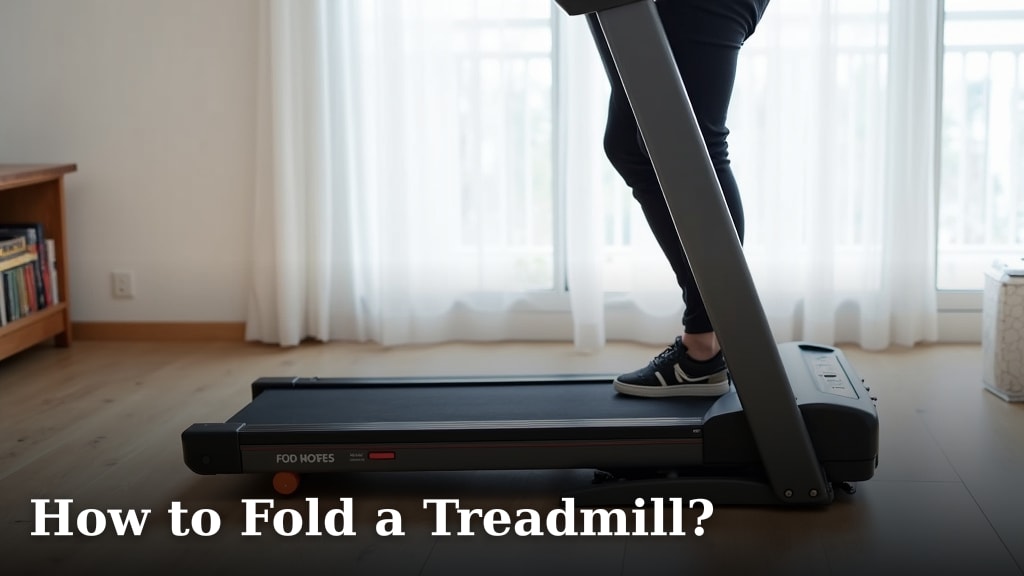
To fold a treadmill, you will generally lift the running deck until it locks into an upright position. Most modern treadmills have a hydraulic assist mechanism that makes this simple and safe. Always consult your treadmill’s user manual for specific instructions on how to fold a treadmill.
Folding your treadmill can save you a lot of space in your home gym or living area. It’s perfect for smaller rooms or if you just prefer a tid
Preparing Your Treadmill for Folding
Before you even think about lifting that deck, a little preparation goes a long way. This ensures both your safety and the longevity of your machine. Think of it like a quick pre-flight check before tucking your treadmill away.
Safety First: What to Check
Your safety is the top priority when folding a treadmill. Ignoring these simple steps could lead to minor injuries or even damage to your machine. Always be mindful of your surroundings and the treadmill itself (National Safety Council).
Powering Down Your Machine
The first and most important step is to turn off and unplug your treadmill. This might seem obvious, but it’s easy to overlook in a hurry. An unplugged treadmill can’t accidentally start, and it eliminates any risk of electrical shock. Locate the power switch, usually at the front of the treadmill near the power cord, and flip it off. Then, gently pull the plug from the wall outlet. Never fold a treadmill while it is still plugged in.
Clearing the Deck and Surroundings
Take a moment to remove any items from the running belt or console. Water bottles, towels, or even your phone could fall and get damaged, or worse, create an obstruction. Also, ensure there’s a clear path around the back of the treadmill. You’ll need space to maneuver. Think about how much room you’ll need to lift the deck without hitting a wall or furniture.
Inspecting for Obstructions
A quick visual check can prevent problems. Look underneath the running deck and around the frame. Are there any toys, pet accessories, or loose items? Even a small object could prevent the deck from locking properly. Make sure the area is completely clear before you begin the folding process. This simple scan takes only a few seconds but can save you a lot of hassle.
The Folding Process: Step-by-Step
Folding most modern treadmills involves a straightforward procedure, often aided by hydraulic systems. We’ll guide you through the typical steps you’ll encounter. While models differ, the core mechanics remain quite similar (Consumer Reports).
Locating the Release Latch or Lever
Every foldable treadmill has a mechanism that allows the deck to move. Your first task is to find this release point. It’s usually a brightly colored handle, a lever, or a knob located near the base of the running deck, often towards the back. Some treadmills might have a foot pedal. Consult your manual if you’re unsure, as placement varies by brand. This latch is what keeps the deck secure in its unfolded position.
Lifting the Running Deck
Once you’ve located the release, it’s time to lift. Stand at the back of the treadmill, facing the console. Bend at your knees, not your back, and grasp the back of the running deck firmly with both hands. If your treadmill has a hydraulic assist, you’ll feel it helping you. Lift the deck steadily upwards. You’re aiming to bring the running surface towards the console.
Engaging the Locking Mechanism
As you lift the deck, you’ll reach a point where it clicks into place. This “click” is the locking mechanism engaging. It’s crucial that you hear or feel this lock. This ensures the deck is safely secured in its upright, folded position. Once locked, give the deck a gentle tug to confirm it’s stable and won’t unexpectedly drop. Many experts agree that a secure lock is essential for safety (American Institute of Home Safety).
Confirming Stability and Storage
After successfully folding your treadmill, the last steps involve verifying its stability and finding the perfect spot for storage. You want to make sure it’s secure and out of the way.
Verifying the Secure Lock
Always double-check that the running deck is properly locked into its upright position. Gently push or pull on the deck. It should feel solid and not wobble. If it feels loose or starts to drop, lower it back down and repeat the lifting process, ensuring the lock engages fully this time. Never assume it’s locked without confirmation.
Moving and Storing Your Folded Treadmill
Most folded treadmills have built-in wheels on the front stabilizers, making them easier to move. To move it, gently tilt the treadmill back until it rests on these wheels. Then, you can carefully roll it to its designated storage spot. Choose a flat, stable surface away from high-traffic areas. Avoid storing it near heat sources, direct sunlight, or in damp environments, as this can affect the electronics and belt material over time. Think of it like parking a bicycle – you want it stable and out of harm’s way.
- Find a level surface for storage.
- Keep it away from moisture and extreme temperatures.
- Ensure it’s out of the way of daily foot traffic.
- Consider a treadmill cover if storing in a dusty area.
- Don’t place heavy objects on top of the folded treadmill.

Troubleshooting Common Folding Issues
Sometimes, things don’t go as smoothly as planned. Encountering a snag while folding your treadmill can be frustrating, but many common issues have simple solutions. We’ll explore a couple of frequent problems you might face.
The Deck Won’t Lock into Place
This is a common concern. If you lift the deck and it just won’t click into its upright, locked position, don’t force it. There could be a subtle obstruction or a misalignment. First, lower the deck completely. Check for anything near the locking mechanism – a stray towel, a small toy, or even a pebble can prevent it from engaging. Reconfirm that the area is clear. Then, try lifting again, making sure you lift it high enough for the mechanism to align and engage. Some users report needing to give it a slightly firmer lift to get the lock to catch.
Difficulty Lifting the Deck
If the deck feels unusually heavy or resistant, several factors could be at play. Many modern treadmills have hydraulic assist cylinders that make lifting easy. If yours are failing, the deck will feel much heavier. It might also be that you’re just not using the correct lifting technique. Remember to lift with your legs, not your back, and grasp the deck firmly from the rear (NIH Physical Activity Guidelines).
When to Seek Professional Help
If you’ve tried the above steps and are still struggling, or if you hear strange grinding noises, it might be time to call in the experts. A failing hydraulic cylinder, a damaged locking mechanism, or an underlying structural issue may require professional attention. Don’t try to force a broken treadmill to fold; you could cause more damage or injure yourself. Sometimes, a small repair can prevent a larger, more costly problem down the line. It’s like when your car makes a funny sound – sometimes it’s nothing, other times, it’s a signal to see a mechanic.
Caring for Your Foldable Treadmill
Folding your treadmill regularly is great for space-saving, but consistent care ensures it continues to perform well. A little maintenance goes a long way in preserving your investment. Think of it as giving your treadmill a bit of love after each use.
Regular Cleaning and Inspection
Even though it’s folded, dust and debris can still accumulate. Periodically, wipe down the console and frame with a soft, damp cloth. Pay attention to the areas around the folding mechanism; keeping these parts clean can prevent grime from interfering with the lock. While cleaning, quickly inspect for any loose screws or unusual wear. Catching minor issues early can prevent them from becoming major repairs.
Lubricating the Deck (If Applicable)
Some treadmills require regular belt lubrication to keep the running deck smooth and reduce friction. While folding, you might notice areas that look dry or feel a bit stiff. Refer to your treadmill’s manual to see if and how often your model needs lubrication. Proper lubrication extends the life of your belt and motor. It’s like oiling a squeaky door hinge – it just works better.
| Task | Frequency | Benefit |
|---|---|---|
| Wipe down exterior | Weekly/After each use | Prevents dust buildup, keeps it looking new |
| Check folding mechanism | Monthly/Before each fold | Ensures smooth operation, prevents jamming |
| Inspect for loose hardware | Monthly | Prevents parts from falling off or breaking |
| Vacuum underneath | Quarterly | Removes lint, dust, and debris that can affect motor |
| Lubricate running belt | Per manual (e.g., every 3 months or 100 miles) | Reduces friction, extends belt and motor life |
Conclusion
Folding your treadmill doesn’t have to be a chore. By following these simple steps, you can safely and efficiently put your machine away. Remember to always prioritize safety by unplugging it and clearing the area. The key is to find that release mechanism, lift with your legs, and ensure the deck locks securely. A little care goes a long way in preserving your treadmill for years of use.
Re-read your user manual and practice folding until it feels natural. Your space-saving efforts will be well worth it!
Frequently Asked Questions
Can all treadmills be folded?
No, not all treadmills are designed to fold. Many commercial or heavy-duty models are stationary. Always check your treadmill’s specifications or user manual to confirm if it has a folding feature.
Is it safe to store a folded treadmill upright for long periods?
Yes, most foldable treadmills are built for long-term upright storage. Just ensure it’s securely locked, on a flat surface, and away from extreme temperatures or moisture. Some owners even use a cover to protect it from dust.
How much space does a folded treadmill save?
Folding typically reduces a treadmill’s footprint by at least 50%, often more. It converts the long running deck into a compact, vertical footprint, making it much easier to fit into smaller living spaces or home gyms.
What if my treadmill doesn’t have a hydraulic assist?
If your treadmill lacks a hydraulic assist, you’ll need to lift the deck manually. It will be heavier, so use proper lifting techniques (bend knees, lift with legs) to prevent injury. Always ensure the locking mechanism engages securely once lifted.
Can a child accidentally unfold a treadmill?
Modern treadmills have locking mechanisms designed to be difficult for small children to disengage accidentally. However, for maximum safety, always store your folded treadmill in a location children cannot easily access or manipulate. Consider adding an extra safety strap if you have concerns.
