How to Train for a 400 Meter Race on a Treadmill
To train for a 400m on a treadmill, use short sprints, 150m to 300m repeats, and speed endurance sessions at fast belt speeds with long recovery. Build gradually, keep good form, and add strength and rest days.
On this page (9 sections)
- How to train for 400m on treadmill sessions without burning out?
- What belt speed should you choose for 400m training?
- Which 400m treadmill workouts should you do each week?
- How do you run a proper 400m repeat on a treadmill?
- How should you pace 200m, 250m, and 300m repeats?
- What strength work supports 400m treadmill training?
- How do you build a sample 4 week treadmill plan?
- What mistakes should you avoid when training for a 400m indoors?
- How do you prepare for race day after treadmill training?
To train for a 400m on a treadmill, use short sprints, 150m to 300m repeats, and speed endurance sessions at fast belt speeds with long recovery. Build gradually, keep good form, and add strength and rest days.
A 400m demands speed, power, and the ability to keep running fast when fatigue builds. Your treadmill plan should train all three parts without turning every session into an all out effort.
How to train for 400m on treadmill sessions without burning out?
Use two hard treadmill sessions per week and keep every other session easy or off. That split gives you enough speed work to improve while your legs recover.
Start each hard session with a 10 minute easy run, then add drills such as high knees and short 10 second accelerations. Practice lifting the knees and swinging the arms in rhythm.
Keep the hard part short at first. Six repeats of 100m at a fast but controlled speed can be enough.
Rest for 2 to 3 minutes between each repeat.
Track your total sprint distance each week. A beginner total of 600m to 900m of fast running is a sensible start.
Increase that total slowly, and only when the last repeats still look smooth.
What belt speed should you choose for 400m training?
Choose a speed you can hold with tall posture and quick turnover for the full repeat. If your form breaks down in the last third, the speed is too high.
For 100m repeats, use a speed close to your best short sprint pace. For 200m repeats, back off slightly so you can keep your arms and legs coordinated.
For 250m and 300m repeats, use a strong but controlled pace.
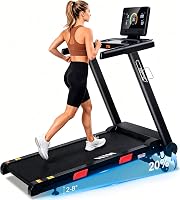
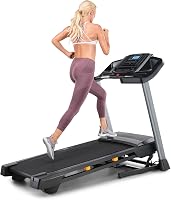
The NordicTrack T Series Treadmills for Home include models with speeds up to 10 mph, which suits many sprint repeat sessions. Its 5 inch LCD display helps you watch speed and time, and KeyFlex cushioning can make repeated fast sessions feel smoother.
Check your treadmill's top speed before you plan fast work. If your belt tops out below your target sprint speed, use shorter repeats and focus on turnover and controlled effort.
Which 400m treadmill workouts should you do each week?
Mix one short speed session and one longer speed endurance session each week. That mix builds top speed and the ability to hold speed under fatigue.
For short speed, try 6 to 8 repeats of 100m or 150m with 2 to 3 minutes of recovery. Run each one fast and relaxed, and stop the set if your times fade.
For speed endurance, try 4 to 6 repeats of 200m, or 3 to 4 repeats of 250m to 300m. Use a strong pace, not a maximum sprint, and rest for 3 to 5 minutes between repeats.
If you prefer guided intervals, our guide to hiit treadmill workout for beginners explains how to build up to fast work step by step. You can adapt those interval ideas to 100m and 200m repeats.
How do you run a proper 400m repeat on a treadmill?
Set the belt speed, start the timer, and run each repeat as one smooth effort from start to finish. Think of the first half as fast and relaxed, and the second half as strong and controlled.
Do not jump on a moving belt. Start each repeat by pressing start when the belt is moving at a walk, then raise the speed quickly to your target.
Keep your head level, shoulders down, and arms swinging close to your body. Fast arm action helps fast leg action, so pump your arms with intent on every repeat.
Use the treadmill's distance and time readouts to check your pace. If your treadmill counts distance in miles, learn the split for 100m, 200m, and 300m so you can compare repeats without guessing.
How should you pace 200m, 250m, and 300m repeats?
Run 200m repeats faster than your race pace, and run 250m and 300m repeats close to race pace. This mix trains speed and fatigue tolerance in the right balance.
Start with 4 x 200m and 3 minutes of recovery. Keep each repeat hard but smooth, and stay tall rather than leaning forward.
Later, try 3 x 300m with 4 to 5 minutes of recovery. The first should feel controlled, the second demanding, and the third should test whether you can stay relaxed.
For a stable belt for repeated fast work, see Best Treadmill For Athletes. Look for a steady deck, clear speed controls, and cushioning for frequent sprint sessions.
What strength work supports 400m treadmill training?
Add two short strength sessions per week focused on legs, hips, and core. Sprinting puts high force through your calves, hamstrings, and glutes, so strength work helps you handle that load.
Use bodyweight squats, split squats, lunges, single leg Romanian deadlifts, calf raises, and short core sets. Keep the reps moderate and leave a few reps in reserve.
Add low plyometric work only if you already run regularly and feel fresh. Small hops and quick foot contacts can help power, but keep the volume low.
Schedule strength work after an easy run or on a rest day. Hard strength work and hard sprint work on the same day often leave you too tired to get quality from either session.
What shoes should you wear for treadmill sprint sessions?
Wear a light running shoe with a secure midfoot fit and enough cushioning for repeated fast miles. A breathable mesh upper, reinforced overlays, and a rubber outsole can help with stability and grip during treadmill repeats.
The Under Armour Men's Charged Assert 9 Running shoe has a lightweight mesh upper, leather overlays for midfoot stability, Charged Cushioning foam, and a solid rubber outsole. That mix suits runners who want a neutral shoe for speed work and daily training.
The women's version has a breathable mesh upper, reinforced overlays, foam padding around the ankle, and a flexible rubber outsole for treadmills and pavement.
Choose the fit that feels secure through the midfoot and roomy enough for your toes. If you train on a treadmill most days, rotate between two pairs when you can.
How do you build a sample 4 week treadmill plan?
Start with short repeats in week 1 and add distance or one extra repeat each week. A gradual build protects your calves and Achilles tendons from fast belt work.
Week 1: 6 x 100m and 4 x 200m across two sessions. Week 2: 8 x 100m and 5 x 200m.
Week 3: replace the 200m set with 3 x 250m. Week 4: hold volume steady and add one sharper session of 6 x 150m.
Keep easy runs conversational. They build aerobic fitness without taking speed from hard sessions.
For a broader view of fast treadmill training, read Best Treadmill For Speed Training. It explains features that matter at high belt speeds.
How do you handle recovery between hard sessions?
Rest at least 48 hours between hard treadmill sessions, and sleep 7 to 9 hours per night. Sprint training stresses muscle and tendon tissue, so recovery is part of the plan, not a break from it.
Use easy walking, mobility work, and light cycling on recovery days if you like. Keep those sessions short and avoid fast hill sprints until your legs feel springy again.
Watch for warning signs such as pain, swelling, or a repeat pace that drops even after full recovery. Those signs call for an easier week, not more repeats.
What mistakes should you avoid when training for a 400m indoors?
Avoid sprinting at top speed on every repeat, skipping the warm up, or training hard on back to back days. Those habits raise injury risk and stall progress.
Do not chase a new top speed each session. A 400m improves through repeatable speed.
Stop a set when form breaks down, even if you planned more repeats.
Do not ignore belt safety. Keep the safety key attached, clear the area, and use handrails only to get on and off.
For walking focused options, see Best Treadmill For Race Walking. For a 400m, keep main treadmill work flat and fast.
Can you do 400m training on a budget treadmill?
Yes, if your treadmill reaches a fast enough speed and feels stable at that speed. You do not need premium features to run useful 100m and 200m repeats.
Look for clear speed controls, a deck long enough for your stride, and cushioning that feels even from step to step. A smaller home model can work well if it folds away and suits your space.
Our guide to Best Treadmill Under can help you compare entry level options. Check the top speed, deck size, and weight limit before you choose, and keep repeats shorter if the belt cannot match your target pace.
How do you prepare for race day after treadmill training?
Test your race pace outdoors in the final 2 weeks, and keep treadmill work shorter as the race nears. Outdoor sessions teach you to handle bends, wind, and a real start, which a belt cannot copy.
Run one outdoor 200m or 300m at race pace to check your pacing. Aim to start controlled, build through the bend, and stay tall when fatigue arrives.
In race week, cut total sprint distance by about half and keep only a few fast accelerations. Your goal is to arrive fresh, not to prove fitness with one more long session.
Use a simple race plan: fast and relaxed for the first 100m, strong and tall through the back straight, and controlled aggression for the last 100m. Practice that shape in your final treadmill repeats so it feels familiar on the day.
Frequently asked questions
How long should it take to train for a 400m on a treadmill?
Most beginners need 8 to 12 weeks of consistent work to build speed endurance safely. Start with two quality treadmill sessions per week, add rest and easy aerobic days, and increase total sprint distance by about 10 percent every two weeks when recovery feels good.
What speed should I use for 400m treadmill training?
Use a speed you can hold with tall form for the repeat length, then build toward your target race pace. For 100m and 150m repeats, choose a fast speed with full recovery.
For 250m and 300m repeats, choose a controlled fast speed that lets you finish strong.
Can a treadmill prepare you for an outdoor 400m race?
Yes, treadmill training can build speed, power, and speed endurance for a 400m race. It works best when you also practise starts, bends, and race tactics outdoors when you can.
Use the treadmill for repeatable sprint work and use outdoor sessions to test race pace.
How many times a week should I do sprint repeats?
Two quality sprint Sessions per week suit most runners, with at least one easy or rest day between them. A third short speed session can work for experienced runners, but only if you keep total sprint volume modest and watch for soreness, heavy legs, or declining form.