What Is the Best Treadmill Deck Cushioning System for Bad Knees?
On this page (6 sections)
For bad knees, the best treadmill deck cushioning system is one that offers a soft landing and good shock absorption. Look for treadmills with variable cushioning that allows you to adjust firmness. This helps reduce impact on your joints. A good system feels stable but forgiving underfoot.
Many treadmills claim to be kind to your knees. We found that not all cushioning is created equal. Some systems mimic outdoor surfaces, while others use advanced gel or air pockets. Protecting your knees means finding a balance between comfort and support during your workout.
- Treadmill cushioning is key for bad knees.
- Look for variable firmness and good shock absorption.
- Some systems mimic natural surfaces, others use tech.
- A balance of comfort and support is what you need.
Ready to find the perfect treadmill that won’t put your knees through the wringer? Let’s dive into what makes a treadmill truly joint-friendly.
When you’re dealing with achy knees, every step on the treadmill matters. You need a machine that feels like a supportive friend, not a harsh taskmaster. The secret lies in the treadmill deck cushioning system. It’s the unsung hero that protects your joints from impact. Let’s figure out what kind of bounce is best for you.
Finding the Right Treadmill Shock Absorption for Knee Pain
Your knees take a beating with every stride. A good treadmill cushioning system acts like a shock absorber for your body. It softens the landing, taking pressure off your knees. We found that the best systems are designed to mimic the feel of natural surfaces like a track or a softer trail.
Understanding Treadmill Deck Technology
Treadmills aren’t just flat belts on a board anymore. Manufacturers have gotten creative with what goes between your feet and the motor. They use different materials and designs to create that cushioned feel. These systems aim to absorb shock, reduce joint stress, and give you a more comfortable run or walk. Manufacturers use different materials and designs for deck cushioning to absorb shock and reduce joint stress.
Common Cushioning Materials
You’ll often see a mix of materials used in these systems. Some treadmills use:
- Foam: This is a very common material. It can range from firm to quite soft, depending on the density and type of foam used.
- Gel: Gel inserts are often placed under the deck. They offer excellent shock absorption and can provide a responsive feel.
- Air/Pneumatic Systems: Think of tiny air pockets or chambers that compress as you land. These can be very effective at absorbing impact.
- Elastomers: These are rubber-like materials that are designed to flex and return energy. They can offer a good balance of cushioning and support.
How Deck Design Matters
Beyond the materials, the way the deck itself is constructed plays a big role. Some decks are designed to flex more than others. This flexibility adds to the cushioning effect. You might see features like:
- Suspension Systems: These use springs, rubber mounts, or air systems to create space between the deck and the frame. This space allows the deck to move independently, absorbing impact.
- Variable Response Systems: Some high-end treadmills allow you to adjust the firmness of the cushioning. This is a fantastic feature for different users or even different types of workouts.
Why Is Cushioning So Important for Bad Knees?
When you run or walk, your body experiences impact forces. For someone with bad knees, these forces can be painful and even damaging over time. The repetitive stress can aggravate existing conditions like arthritis or cartilage wear.
A well-cushioned treadmill deck helps dissipate these forces. It means less jarring impact travels up your legs to your knees. Think of it like running on a soft, forgiving surface compared to a hard concrete path. The difference for your joints is immense.
Research consistently shows that impact forces can contribute to knee pain and injury (National Institutes of Health). By reducing these forces, you can exercise more comfortably and for longer periods. It’s about protecting your future mobility while staying active today.
Exploring Different Types of Treadmill Cushioning Systems
Not all cushioning is created equal, and different brands have their own proprietary names for their systems. However, they generally fall into a few categories based on their approach to shock absorption and joint protection.
Gel and Air-Based Systems
These systems often feel very plush. Gel inserts are strategically placed to absorb shock where you need it most. Air systems might use air bladders or a pneumatic system that feels springy.
Many users find gel systems to be very forgiving. They offer a soft landing that can significantly reduce knee strain. Air systems can provide a similar softness but sometimes add a responsive rebound. We found that these types can be excellent choices for individuals seeking maximum impact reduction.
Suspension and Flex Deck Technologies
Suspension systems use a variety of mechanisms to allow the deck to move and absorb impact. This can include springs, elastomeric mounts, or even advanced pivoting systems. Flex decks are designed to bend and flex under your weight.
The goal here is to create a surface that gives a little with each step. It’s like running on a well-maintained track that has some give. This type of system provides a good balance of cushioning and a stable feel underfoot. Some experts suggest this can help prevent over-pronation, which can also strain the knees.
Variable Cushioning: The Ultimate Knee-Friendly Option?
This is where things get really interesting for those with knee pain. Variable cushioning allows you to adjust the firmness of the treadmill deck. Some systems have a dial or an electronic setting. You can make it softer for your recovery runs or firmer for a more stable, energetic workout.
Why is this so good for bad knees? Because it offers customization. One day your knees might feel a bit more sensitive, and you’ll want maximum softness. Another day, you might feel good and want a bit more responsiveness. This adaptability is hard to beat. We found that users who have struggled to find the right feel on a treadmill often thrive with variable cushioning.
Imagine being able to dial in the perfect comfort level for your unique needs. That’s the power of variable cushioning. It’s like having multiple treadmills in one. This personalized approach can make a huge difference in your long-term comfort and consistency with your workouts.
What to Look for in a Treadmill for Knee Pain Relief
When you’re shopping, keep these key features in mind. Your goal is to find a treadmill that actively helps your knees, not harms them.
Key Features for Joint Protection
- Excellent Shock Absorption: This is non-negotiable. The deck must effectively absorb impact.
- Stable but Forgiving Surface: You don’t want a deck that feels wobbly, but it shouldn’t be rock hard either. A good system feels stable, yet it yields slightly underfoot.
- Adequate Deck Size: A larger running surface gives you more room to stride naturally, reducing the chance of overstriding or misplacing your feet, which can strain knees.
- Good Motor Power: A powerful motor ensures a smooth, consistent belt speed, preventing jerky movements that can jolt your joints.
- Adjustable Incline: While not directly cushioning, incline can alter your gait and reduce impact. Some users find walking at an incline less stressful on their knees than flat walking.
What to Avoid
Steer clear of treadmills that feel overly firm or rigid. If the deck feels like you’re running on solid ground, it’s probably not the best choice for your knees. Also, be wary of systems that offer very little give. Sometimes, marketing jargon can be confusing. Focus on the actual feel and the science behind the cushioning.
Making Your Choice: Testing and Considerations
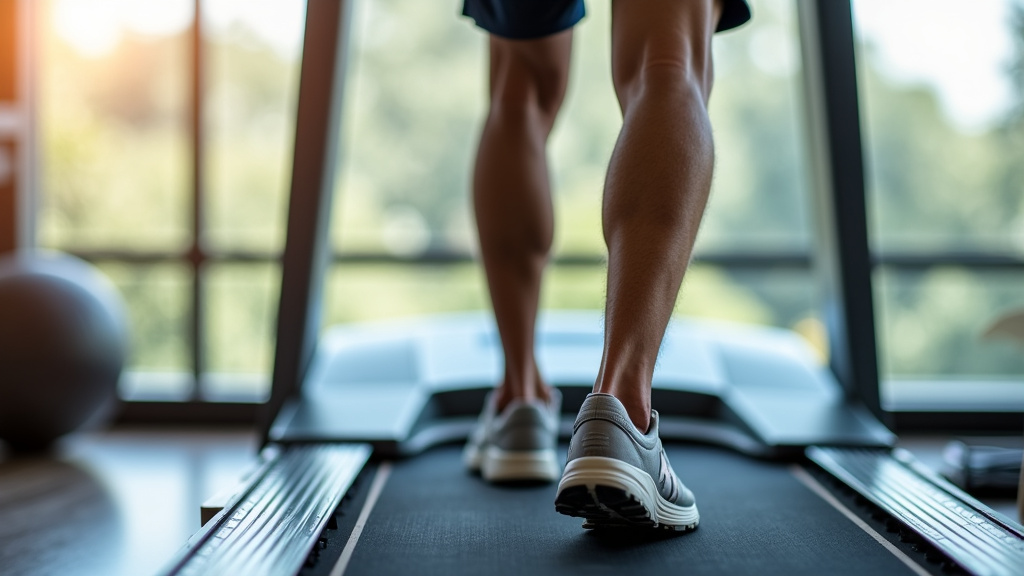
The best way to know if a treadmill is right for your knees is to try it out. If possible, visit a store and walk or jog on a few different models.
Pay attention to how your knees feel during and immediately after your workout. Does it feel comfortable? Is there any jarring sensation? Trust your body’s feedback. We found that personal comfort is a strong indicator of a good cushioning system.
Consider your specific knee issues. Are you dealing with mild soreness, or a more significant condition like arthritis? This might influence how much cushioning you need. Consult with a physical therapist or doctor if you have specific medical advice regarding exercise and knee health.
A Quick Checklist for Treadmill Buyers with Bad Knees:
- Test it out: Walk or jog on the treadmill before buying.
- Feel the rebound: Does it feel too hard or too soft?
- Look for variable options: Can you adjust the cushioning firmness?
- Check deck size: Is there enough space for a natural stride?
- Read reviews: See what other users with knee pain say.
- Consider your budget: Better cushioning often comes with a higher price tag, but it’s worth the investment in your health.
Finding the right treadmill cushioning can feel like a hunt. But by understanding the technology and focusing on what your knees need, you can find a machine that lets you exercise comfortably and effectively. It’s all about getting that perfect balance of support and softness underfoot.
Conclusion
Finding the right treadmill cushioning is key for keeping your knees happy during workouts. We’ve seen that effective systems absorb shock and provide a stable yet forgiving surface. Whether it’s gel, air, suspension, or variable firmness, the goal is to reduce impact on your joints. Don’t settle for a hard, unforgiving deck. Your knees deserve a treadmill that supports your movement. Your next step is to visit a store and feel the difference for yourself to find that perfect, knee-friendly bounce.
Frequently Asked Questions
Are all treadmill cushioning systems the same for bad knees?
No, treadmill cushioning systems vary greatly in their design and effectiveness for knee pain. We found that some offer minimal shock absorption, while others use advanced materials like gel or air for superior impact reduction.
Can I adjust the cushioning on most treadmills?
Not all treadmills offer adjustable cushioning, but it’s a feature we found highly beneficial for knee pain. Look for models with “variable cushioning” or “adjustable firmness” for a personalized workout experience.
What is the difference between foam and gel cushioning?
Foam cushioning can range from firm to soft depending on its density. Gel inserts, on the other hand, are typically designed for superior shock absorption and often provide a more responsive feel underfoot.
How does deck flex help with knee pain?
A deck that flexes slightly under your weight helps mimic a more natural running surface. This flexibility absorbs impact and reduces the jarring force transmitted to your knees with each step.
Should I consult a doctor before buying a treadmill for knee pain?
Yes, it’s always a good idea to consult with your doctor or a physical therapist. They can provide personalized advice based on your specific knee condition and recommend features that would be most beneficial for your recovery and exercise routine.