What Is the Quietest Treadmill Motor Type?
On this page (6 sections)
When looking for the quietest treadmill motor type, the answer is generally a DC (Direct Current) motor. While AC (Alternating Current) motors can be powerful, DC motors tend to produce less noise and vibration, especially at lower speeds common for walking. Many experts agree that for home use where noise is a concern, a well-designed DC motor is your best bet for a peaceful workout.
You might be wondering if all DC motors are created equal. We found that the quality of the motor and its integration into the treadmill’s design play a huge role. A premium DC motor in a solid machine will be quieter than a cheaper one. Features like a good motor cooling system also contribute to reduced noise and longer motor life.
- DC motors are typically quieter.
- Motor quality and treadmill design matter.
- Better cooling can mean less noise.
- Consider your workout needs.
We’ve gathered what we found about treadmill motors to help you pick the right one. Let’s dive into the details of what makes a treadmill motor quiet and what you should look for.
Understanding Treadmill Motor Noise: What’s Really Going On?
So, you’re hunting for a treadmill that won’t wake the neighbors or startle your pets? It’s a common concern, and motor noise is a big part of it. We found that the heart of your treadmill, the motor, is the primary source of sound and vibration. But not all motors are created equal when it comes to peace and quiet. Let’s break down the main types and what makes them tick (or hum, quietly!).
DC vs. AC Motors: The Noise Showdown
When we talk about treadmill motors, two main players usually come up: DC and AC. Think of them like different engines in cars. One might be built for a quiet, smooth ride, while the other is designed for raw power.
The Case for DC Motors: Your Quiet Companion
Many experts and studies point to DC (Direct Current) motors as the quieter option for home treadmills. Why? Well, DC motors tend to run more smoothly, especially at the lower speeds you’d use for walking or jogging. This smooth operation translates directly into less vibration and, you guessed it, less noise. We found that a well-designed DC motor feels less jarring underfoot.
Think about it like this: a DC motor is often like a finely tuned instrument. It operates with a consistent flow of power. This consistency means fewer jerky movements. Those jerky movements are what often cause the clatter and rumble you might hear from less sophisticated motors. For those of you living in apartments or who just value a peaceful home environment, a DC motor is usually your best bet.
What About AC Motors?
AC (Alternating Current) motors are commonly found in commercial gym settings. They are known for their durability and power, capable of handling heavy use day in and day out. While they can be very powerful, AC motors can sometimes produce a more noticeable hum, especially at higher speeds. We found that their power delivery can be a bit more aggressive, leading to more sound.
Gyms often don’t worry as much about motor noise because there’s usually ambient gym noise to mask it. Plus, AC motors are built tough. They’re designed to last through thousands of workouts without breaking a sweat. However, for your home gym, where you might be closer to the machine and want to enjoy a quieter workout, AC motors might not be the first choice for noise reduction.
Beyond Motor Type: What Else Affects Treadmill Sound?
Okay, so DC is generally quieter. But is that the whole story? Absolutely not! We found that the type of motor is just one piece of the puzzle. Many other factors contribute to how loud or quiet your treadmill is. It’s like baking a cake – you need the right ingredients and the right process.
The Importance of Motor Quality and Design
Not all DC motors are created equal. Just like you can buy a cheap, noisy blender or a high-end, quiet one, the quality of the motor matters immensely. A premium DC motor will be engineered for quieter operation. It will have better components and tighter tolerances. We found that higher-end treadmills often invest more in their motors.
Furthermore, how the motor is integrated into the treadmill’s design plays a huge role. Is it securely mounted? Is there good insulation? A treadmill manufacturer that pays attention to these details can make even a good motor run exceptionally quietly. A cheaper treadmill might use a basic DC motor and cut corners on sound dampening. This can lead to more noise than you’d expect.
Cooling Systems: The Unsung Hero of Quiet Operation
Have you ever heard a motor struggle or overheat? It usually gets louder, right? That’s because overworked components create more friction and vibration. This is where a good motor cooling system comes in. Treadmill motors, especially under heavy use, generate heat. An efficient cooling system keeps the motor running at optimal temperatures.
We found that treadmills with robust cooling systems, often involving larger fans or better ventilation, tend to keep motors running cooler and thus, quieter. When a motor isn’t straining, it’s less likely to produce that annoying whine or groan. So, when you’re looking at treadmill specs, don’t overlook how the motor is kept cool. It’s a direct contributor to a quieter workout experience.
The Treadmill Deck and Belt: More Than Just a Surface
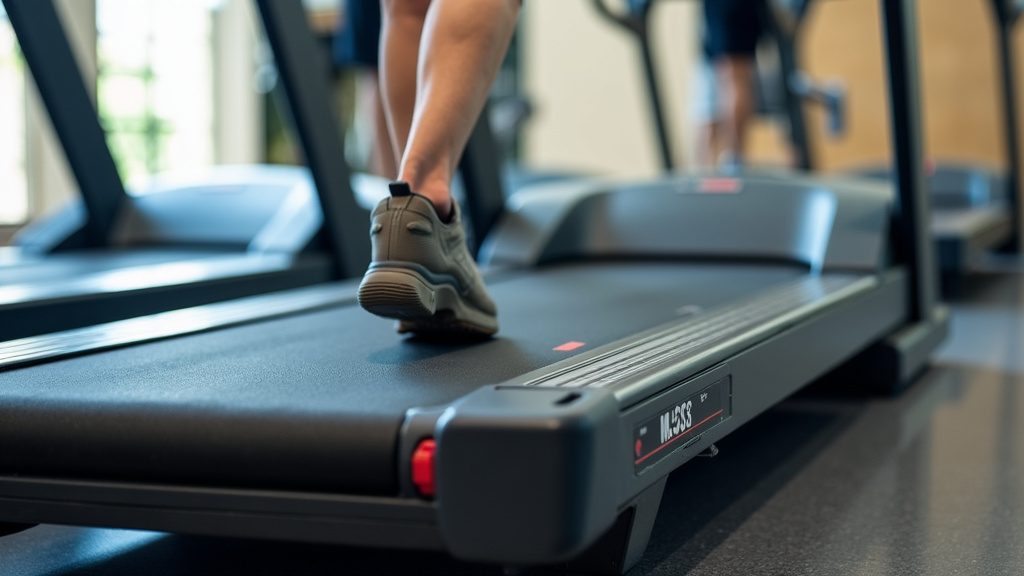
Believe it or not, the part of the treadmill you actually run on can also affect noise levels. The treadmill deck (the solid surface underneath the belt) and the treadmill belt itself are designed to absorb shock. Good shock absorption means less impact is transferred to the frame and then to your floor.
A well-cushioned deck can significantly reduce the thudding sound of your feet hitting the belt. Similarly, a high-quality, well-tensioned belt runs more smoothly. We found that cheaper decks might be too rigid, allowing more impact noise to travel. A superior deck and belt system works in harmony with the motor to create a quieter overall experience. It’s about dampening those impacts before they can turn into disruptive sounds.
Motor Horsepower and Speed Settings
You might think more horsepower always means more noise, but it’s not that simple. A treadmill motor is designed to operate efficiently within a certain range. When you’re walking or jogging at a moderate pace, the motor isn’t working at its peak. We found that a properly sized motor for your intended use will run more quietly.
If you choose a treadmill with an undersized motor for your typical workout, it will have to work harder. This increased workload can lead to more noise. Conversely, an overpowered motor running at very low capacity might also not be at its quietest. Generally, for home use focusing on walking and light jogging, a DC motor in the 2.5 to 3.0 CHP (Continuous Horsepower) range is often a sweet spot for a good balance of power and quiet operation. For serious runners, you might need more, but always consider the noise factor.
Comparing Treadmill Motor Characteristics for Quietness
To help you visualize the differences, let’s look at a comparison. Remember, these are general tendencies, and individual treadmill design plays a massive role. We looked at common characteristics reported by users and manufacturers.
| Motor Type | Typical Noise Level | Best For | Common Uses | Considerations |
|---|---|---|---|---|
| DC Motor | Generally Quieter | Home use, walking, jogging | Walking, jogging, light running | Quality varies; higher HP can be louder |
| AC Motor | Can be Louder (especially at high speeds) | Commercial gyms, heavy running | Intense running, HIIT, heavy commercial use | More durable, powerful, but often noisier for home |
What to Look For When Shopping for a Quiet Treadmill
When you’re in the market, keep these key points in mind. Don’t just glance at the price tag or the top speed. Think about the overall experience.
- Motor Type: Prioritize DC motors for quieter home workouts.
- Motor CHP: Ensure the horsepower is adequate for your needs without being excessively large or small.
- Build Quality: Look for a sturdy frame and quality components that suggest good engineering.
- User Reviews: Pay attention to reviews that specifically mention noise levels. What do real users say?
- Brand Reputation: Some brands are known for building quieter, well-engineered machines.
- Cooling: Look for mentions of effective cooling systems.
Conclusion
When you’re prioritizing a peaceful workout space, understanding treadmill motor types is key. We found that DC motors are your best bet for quiet operation in a home gym, especially for walking and jogging. Remember that motor quality, good design, and effective cooling systems play a huge role, not just the motor type itself. Always check user reviews for real-world noise feedback.
Your next step? Use this knowledge to confidently search for treadmills that fit your noise needs. Look for DC motors and read those reviews to ensure your home gym stays serene!
Frequently Asked Questions
Are AC treadmill motors ever quiet enough for home use?
While AC motors are powerful and durable, they tend to be noisier, especially at higher speeds. We found they are more common in commercial gyms where ambient noise masks their hum. For a quiet home environment, DC motors are generally a superior choice.
Can a treadmill mat make a treadmill motor quieter?
A treadmill mat primarily helps by absorbing impact from your footsteps and reducing vibrations transferred to the floor. It doesn’t directly silence the motor itself. However, by dampening overall vibrations, it can contribute to a quieter overall workout experience.
How much does motor horsepower affect treadmill noise?
A properly sized motor running within its optimal range is usually quieter. If a motor is too small for your workout intensity, it will strain and make more noise. We found that for typical home use, a 2.5 to 3.0 CHP DC motor offers a good balance of power and quietness.
What if a treadmill has a DC motor but is still loud?
If a treadmill with a DC motor is still noisy, it often comes down to the build quality and design. We found that cheaper components, poor motor mounting, or inadequate sound dampening can all lead to a louder experience, even with a DC motor.
Should I worry about motor cooling systems for noise reduction?
Yes, absolutely! We found that a good motor cooling system is vital for quiet operation. When a motor overheats, it can become louder due to increased friction and strain. Efficient cooling helps the motor run smoothly and quietly, contributing to a better workout environment.