How to Choose Fabric Resistance Bands with Handles
Choose fabric resistance bands with handles by secure grip, useful length and resistance you can use with good form. Pick handles that fit your hands, a band length that suits your space, and a resistance level you can control, then check how to anchor resistance bands safely before you train.
On this page (12 sections)
- Why do fabric handles change how a band feels?
- What grip design should you look for in handled fabric bands?
- How does band length affect your exercises?
- Which resistance level should you choose?
- When does fabric beat latex or tube bands?
- How do you anchor handled bands safely at home?
- What should you check before each workout?
- How do you size handles for comfort and control?
- Which exercises suit handled fabric bands best?
- How should you clean and store fabric bands?
- How do fabric bands fit beside other home equipment?
- What is your final buying checklist for fabric resistance bands with handles?
Choose fabric resistance bands with handles by grip quality, usable length and resistance that lets you keep clean form. The handles matter as much as the band because they set your hold, your range and how safely you can load each rep.
Fabric bands often sit more steadily on legs and hips than smooth latex, and they can feel softer against skin. That does not remove the need to check stitching, handle joins and anchor points.
A strong band with weak handles is a weak setup.
Start with the exercises you plan to do most. Rows, presses, squats, curls and stretches each need a different band length and resistance.
If you want a wider view first, our resistance bands guide sets out the main types and where each one fits.
Why do fabric handles change how a band feels?
Handles give you a fixed grip point instead of a band pulling across your palm. That can help with rows, chest presses and standing exercises where you need to hold tension for several seconds.
Fabric around the band can reduce rolling during leg work and can feel less sticky in warm rooms. The fabric still stretches, so the feel comes from both the elastic core and the outer weave.
We looked at maker descriptions and buyer patterns, and buyers often mention comfort on legs more than on the hands.
Handles can also add bulk. Large foam handles are easy to hold, but they may collide with your body on close-range moves.
Slim handles move more freely, yet they can dig into palms when tension climbs. Match handle size to your hand size and to the exercises you will repeat.
Firm rule: pick handles you can hold through the hardest set without shaking or slipping.
What grip design should you look for in handled fabric bands?
Grip design controls comfort, control and how the band connects to your hands. Look at handle shape, padding, stitching and the link between handle and band.
Foam handles spread pressure across the palm and suit longer sets. Rigid handles give a direct feel and work well when you want less padding between hand and load.
Fixed loops are simple and light, but they put more pressure on fingers and may be harder to adjust mid-set.
Check the connector where the handle meets the elastic. Stitching should be even, with no loose threads or uneven rows.
A swivel or D-ring can help the band track straight, while a fixed join can twist if your stance shifts.
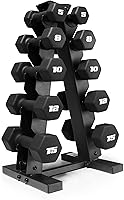
The Amazon Basics set uses 1 inch alloy steel handles and threaded collars, so weight changes by sliding plates on or off. That firm handle feel is different from foam band handles, and it helps you compare what grip style suits your hands.
Firm rule: choose the handle you can grip for 30 seconds at working tension without pain or slip.
Foam, rigid and loop handles compared
Foam handles suit many home users because they are broad and forgiving. They can soak up sweat, so wipe them clean and let them dry between sessions.
Rigid handles suit lifters who prefer a clear hold and less padding. They may feel hard during high-rep sets, so test them at the resistance you plan to buy.
Loop handles are compact and travel well. They can strain fingers on heavy rows, so they suit lighter bands and mobility work more than maximal loads.
How does band length affect your exercises?
Band length sets how far you can stretch and how much tension builds at full extension. A longer band gives more travel for presses and rows, while a shorter band suits curls and close-range work.
Measure the usable length, not just the band before handles are fitted. Handles and connectors add to the total reach.
If the band is too short, you will shorten your times under tension and compromise form to reach the end range.
Longer bands can sag or touch the floor during leg work. Shorter bands can force your elbows wide or your shoulders forward.
Stand in your training space and mimic the main moves before you buy.
Firm rule: buy the shortest length that lets you complete your main exercises with full, controlled range.
Which resistance level should you choose?
Resistance should challenge the last reps without breaking your form on the first rep. Bands list light, medium, heavy and extra heavy, yet those labels vary by brand, so compare them by how the band feels across your main lifts.
Start lighter than you think. You can add reps, slow the tempo or step farther from the anchor to raise demand.
A band that is too strong encourages swinging, short range and grip failure.
Think in terms of exercise strength. Legs and back usually need more resistance than arms and shoulders.
A set with two or three levels lets you match the load to the muscle group and to your strength that day.
Buyers often mention that the labelled level feels different between brands. Treat labels as a rough guide and judge by your own controlled reps.
Firm rule: pick a level where your final reps feel hard, but your first reps still look clean.
How to judge resistance in a small space
Step back from your anchor in small steps and note when form changes. A door anchor for resistance bands can provide a fixed setup for some exercises.
The point where your torso leans, your elbows flare or your grip gives way is above your working level.
Test both ends of the range. A band that feels fine at mid-stretch may spike in tension near full extension.
Presses and rows need steady load through the whole path.
Keep one band for warm-ups and mobility. That band should feel light enough for high reps and careful control, even on tired days.
When does fabric beat latex or tube bands?
Fabric wins on stability, skin comfort and less rolling during leg work. Latex and tube bands can still win on cost, stretch and travel size.
Fabric bands usually have a firmer feel because the weave limits stretch. That can suit hip work, glute work and short, controlled sets.
Smooth bands can roll, pinch or slip, and they may need more care around heat and sharp edges.
Tube bands with handles are common for upper-body training because they stretch far and give a wide range of tension. They can snap back if a handle slips, so anchor checks and a clear path behind you matter.
Choose fabric when you train legs, hips and short sets at home. Choose tube or latex when you need long stretch, low cost or a very portable kit.
Firm rule: pick fabric for stable leg and hip work, and tube bands for long upper-body stretch.
How do you anchor handled bands safely at home?
Anchoring sets the direction of pull and the safety of every rep. A poor anchor can change the load, damage a door or let the band fly back toward you.
Use a door anchor only on a solid, closed door with hardware in good condition. Keep the band path free of sharp edges, and check the anchor before each set.
If the door moves or the strap slips, stop and reset.
Floor anchors, heavy furniture and purpose-built mounts can work when they are stable and rated for the load. Never loop a band around a wobbly chair leg or a radiator that can tip or break.
Our guide to how to anchor resistance bands walks through door, floor and furniture options in more detail. Read it before your first heavy session.
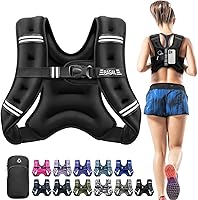
The ZELUS vest comes in fixed weights from 6 lb to 30 lb and spreads iron sand weight across the torso. Buckle straps fit chest sizes from 31.5 to 45 inches, and a rear mesh pocket and armband pouch hold small items.
Firm rule: never train heavy with an anchor you have not checked in the last minute.
What should you check before each workout?
A quick check takes less than a minute and catches most failures before they matter. Run your eyes over the band, handles, connectors and anchor point.
Look for frayed fabric, loose stitching, cracked loops and uneven stretching. Hold each handle and pull gently to feel for movement at the join.
If one side stretches farther than the other, retire the band.
Check the anchor load path. Keep feet clear of the band's return path, wear shoes with grip on smooth floors, and leave space behind you.
Stop if the band twists hard or the anchor hardware shifts.
Seniors and anyone returning from injury should start light and use a chair or wall for balance where needed. Our guide to the best resistance bands with handles for seniors explains smaller handles, lower levels and seated options.
Firm rule: if stitching, hardware or the anchor looks wrong, do not use the band that day.
How do you size handles for comfort and control?
Handle size should fit your hand without crowding your wrist or forcing your grip. Too large and you lose control, too small and pressure builds fast.
Wrap your fingers around a handle and hold it at working tension for 20 to 30 seconds. Your palm should press evenly, your wrist should stay straight, and you should be able to release without numbness.
Foam handles suit larger hands and longer sets. Slim handles suit smaller hands and closer work.
If you have hand pain or limited grip, loops with a wide grip bar may suit you better than narrow handles.
Gloves can help with sweaty palms, yet they can also hide a slipping grip. Test the setup with the gloves you will actually wear.
The CAP vest uses individual 2.5 lb packets of iron ore fines, a hook and loop closure, padded shoulders and a fully adjustable waist belt. CAP says the reinforced nylon and polyester build includes reflective stripes for low-light walking and running.
Firm rule: choose handles that keep your wrist straight and your hold steady at full tension.
Which exercises suit handled fabric bands best?
Handled fabric bands suit rows, presses, squats, curls, pull-aparts and hip work where a firm grip helps. Short, controlled sets fit the fabric feel well.
Rows and presses use the handles for a steady pull or push. Squats and hip work use the band around the legs while the handles can act as grips or anchors, depending on the design.
Curls and shoulder work need shorter range and lighter levels. Pull-aparts and face pulls need smooth tracking, so watch for twisting at the handle joins.
Learn the main movement patterns in how to use resistance bands with handles before you add heavy levels. Good patterns protect your form more than extra resistance does.
If you plan to train more than one person or run small group sessions, bulk options may cut the cost per band. See best resistance bands in bulk for sets aimed at shared use.
Firm rule: master rows, presses and squats at a light level before you buy heavier bands.
How should you clean and store fabric bands?
Care extends band life and keeps handles hygienic. Wipe handles after use, wash fabric only as the maker allows, and dry everything fully.
Check the maker care notes for heat limits and detergents. Air dry away from direct heat, and never tumble dry unless the maker says it is safe.
Store bands flat or loosely coiled so the elastic does not crease.
Keep bands away from sharp edges, rough concrete and prolonged sunlight. A simple storage bag or drawer keeps fabric clean and stops handles from bending.
Inspect stitching monthly. Fraying, flattened elastic or loosened connectors are signs to replace the band, even if it still stretches.
Firm rule: clean after use, dry fully, and replace any band with frayed stitching.
How do fabric bands fit beside other home equipment?
Bands work best as part of a small home gym, not as the only tool for every goal. They add tension for warm-ups, mobility, leg work and travel-friendly training.
Weighted vests add load to walking, running and bodyweight moves such as push-ups, squats and lunges. Dumbbells add fixed load for presses, curls and rows where you want precise weight changes.
That mix lets you train strength, endurance and mobility in a small space. Bands travel in a bag, while vests and dumbbells stay at home and add load when you need it.
If space planning is part of your home gym, our guide on How to Choose the Right Treadmill Size? shows the same measure-first approach for larger equipment. Tall users should also read How to Choose a Treadmill for Tall Runners? before committing floor space.
Our best resistance bands with handles roundup compares specific models if you want named picks beside this guide.
Firm rule: buy bands for flexible tension, then add vests or dumbbells only for the loads bands cannot give you.
What is your final buying checklist for fabric resistance bands with handles?
You now have a clear path: grip, length, resistance, anchor, checks and care. Run through each point before you order.
Confirm the handles fit your hands at working tension. Confirm the usable length suits your main exercises and your space.
Choose a resistance level where your last reps feel hard and your first reps stay clean.
Check the anchor plan for your room. A door, floor mount or heavy furniture option must be stable, rated for the load and free from sharp edges.
Practice the setup at a light level first.
Plan care from day one. Wipe handles, dry fabric fully, store away from heat and inspect stitching often.
Replace the band when fabric frays or connectors loosen.
Pick the band that passes every check, not the one with the boldest label. If you want named models, start with our best resistance bands with handles picks and match them to the grip, length and level rules in this guide.
Frequently asked questions
Are fabric resistance bands with handles better than plain bands?
Fabric resistance bands with handles suit many people because the handles give a firmer grip and the fabric often feels less likely to roll or snap back. Plain bands can still work well for travel, ankle work and light warm-ups, so your grip needs and exercise choices matter more than material alone.
How do I choose the right resistance level?
Choose the lightest level where you can keep good form for the full set, then increase only when the last reps still feel controlled. If you cannot hold alignment or your grip fails first, the band is too strong for that exercise, even if you can stretch it once.
Can I anchor handled fabric bands to a door?
You can use a door anchor only when the door, hinge and anchor are made for that load and you follow the maker instructions. Check the setup before each session, keep the band path clear, and stop if the hardware shifts, which is why learning how to anchor resistance bands step by step matters.
How long should handled fabric bands be?
Length should let you stretch the band fully without the handles slipping or your elbows flaring. Shorter bands help close-range work, while longer bands suit presses, rows and leg exercises where you need more travel, so compare the usable length after the handles are attached.
How do I care for fabric bands and handles?
Wipe handles and connectors clean, let fabric dry fully after washing if the maker allows it, and store the band flat or loosely coiled away from heat and sharp edges. Check stitching, loops and handle joins often, and retire the band when fabric frays or hardware loosens.