How to Reduce Joint Impact on a Treadmill?
On this page (8 sections)
- Making Your Treadmill Workouts Kinder on Your Joints
- Choosing the Right Footwear: Your First Line of Defense
- Optimizing Your Running and Walking Form
- Leveraging Treadmill Settings for Lower Impact
- Incorporating Other Low-Impact Strategies
- Your Quick Checklist for Joint-Friendly Treadmill Use
- Conclusion
- Frequently Asked Questions
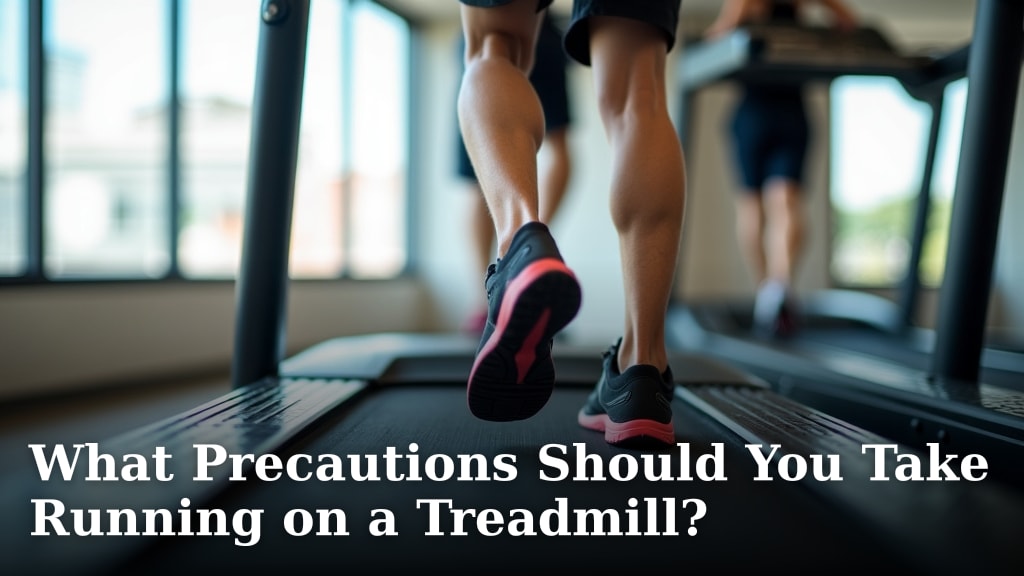
You can definitely reduce joint impact when using a treadmill by making smart adjustments. Start by focusing on your footwear and ensuring you have supportive shoes designed for running or walking. Next, modify your running form to land softly and avoid stiff-legged impacts. Lowering the incline can also help absorb shock, making your workout gentler on your knees and hips.
Many runners worry about the pounding their joints take on a treadmill. While treadmills can sometimes feel harder than softer surfaces, there are effective ways to mitigate this. Research and found that paying attention to your stride and maintaining a proper posture can make a big difference. Even small changes can lead to a much more comfortable and joint-friendly experience on the treadmill.
- Wear supportive running shoes.
- Adjust your stride for a softer landing.
- Consider lowering the treadmill incline.
- Maintain good posture while running.
Ready to make your treadmill workouts easier on your body? Let’s walk through exactly how to achieve a lower-impact experience, step by step.
Making Your Treadmill Workouts Kinder on Your Joints
Treadmills can be fantastic tools for fitness. They offer convenience and control over your workout. Yet, you might worry about the impact on your knees, hips, and ankles. That’s a valid concern! Fortunately, there are several smart strategies you can use. We’ve gathered some research-backed tips to help you enjoy your treadmill sessions with less stress on your joints.
Choosing the Right Footwear: Your First Line of Defense
Your shoes are more than just accessories; they’re your primary shock absorbers. Think of them as mini-cushions for every step. Wearing the wrong kind can amplify impact. Research shows that proper footwear is critical for joint health during exercise (CDC).
What to Look for in Running or Walking Shoes
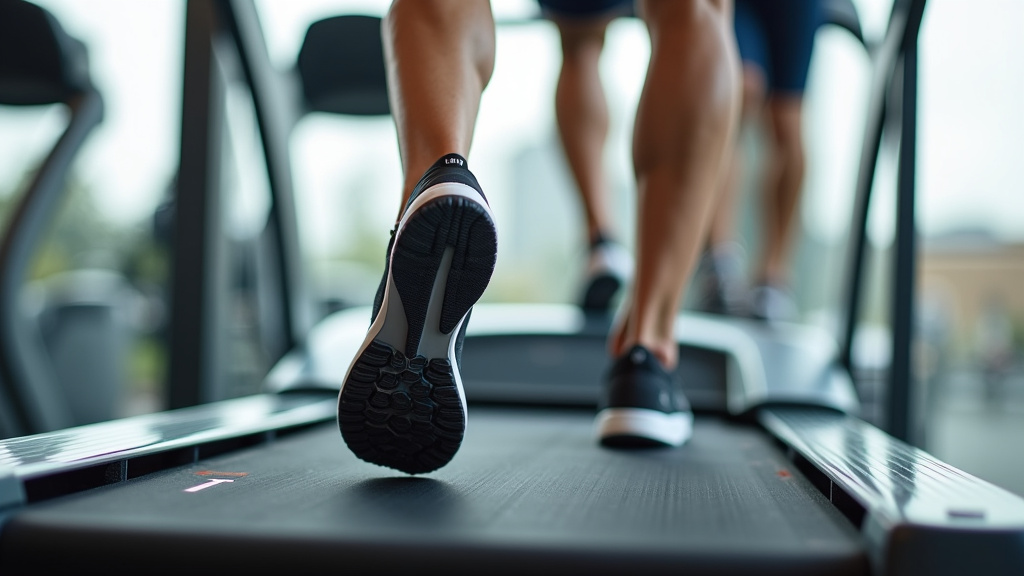
When picking out shoes for treadmill use, look for a few key features. You want shoes with good cushioning. This helps absorb the shock of each footfall. A well-cushioned shoe feels softer underfoot. This is especially important on a harder treadmill belt.
You also need shoes that offer adequate support. This means the shoe should help guide your foot through its natural motion. It prevents your foot from rolling too far inward or outward. This stability can prevent undue stress on your knees and hips. Many experts recommend visiting a specialty running store. They can analyze your gait and recommend shoes tailored to your needs.
When to Replace Your Worn-Out Shoes
Even the best shoes wear out. Over time, their cushioning and support capabilities diminish. You might not even notice it at first. A general guideline is to replace running shoes every 300 to 500 miles. For walking, it might be a bit longer. Pay attention to how your shoes feel. If you notice more aches and pains, it’s a strong sign your shoes need replacing. Don’t wait until they’re completely flat!
Optimizing Your Running and Walking Form
How you move on the treadmill matters a great deal. Small adjustments to your form can make a big difference in joint impact. It’s about working smarter, not just harder.
The Importance of a Soft Foot Strike
Try to land with your foot underneath your body. Avoid landing with a stiff leg way out in front of you. This “overstriding” is like slamming on the brakes with every step. It sends a jolt straight up your leg. Research indicates that a softer foot strike can significantly reduce impact forces (NCBI).
Think about running on a cloud. Imagine your feet making a gentle landing. You want to feel a bit of bounce, not a hard thud. This requires a slight bend in your knees upon landing. It also encourages your foot to land closer to your center of gravity.
Posture Matters for Impact Reduction
Good posture helps distribute your body weight evenly. It also keeps your core engaged. This engagement helps stabilize your body and absorb shock more effectively. Stand tall, but relaxed. Keep your shoulders back and down. Avoid hunching or leaning too far forward.
Your head should be up, looking forward. Imagine a string pulling you up from the crown of your head. This slight upward pull helps maintain a neutral spine. A neutral spine is key for reducing stress on all your joints, from your ankles to your neck. Many fitness professionals emphasize this for injury prevention.
Adjusting Your Stride Length and Cadence
A shorter stride and a quicker cadence (steps per minute) can help. When you shorten your stride, you tend to land your feet more underneath your body. This naturally leads to a softer landing. A higher cadence also means your feet spend less time on the ground.
We found that increasing your cadence by just 5-10% can make a noticeable difference. It can feel a bit unnatural at first. Try using a metronome app or listening to music with a faster beat. Gradually work up to a quicker turnover. It might take some practice, but your joints will thank you.
Leveraging Treadmill Settings for Lower Impact
The treadmill itself has settings that can help you. You don’t always have to run at a high incline or speed. Experimenting with these can tailor the experience to your needs.
The Role of Incline in Shock Absorption
Contrary to what some might think, a completely flat treadmill can sometimes feel harder. A slight incline can actually improve shock absorption. Think about it: a gentle slope can mimic outdoor terrain a bit better. It encourages a more natural gait.
Many experts suggest starting with a 1% incline. This is often recommended as a good starting point. It helps compensate for the lack of air resistance you’d experience outdoors. It also tends to promote a more natural stride. You can adjust this based on how it feels. If you have joint pain, a slight incline might feel better than zero incline.
Speed and its Impact on Your Joints
Running faster increases the impact forces on your joints. This is simply physics. The faster you move, the harder your body has to work to absorb the landing. If your goal is to reduce joint impact, consider slowing down.
Focus on your form at a comfortable pace. It’s better to have a longer, slower, joint-friendly workout than a short, fast one that causes pain. You can still get a great cardiovascular workout at a moderate pace. Listen to your body; it will tell you when you’re pushing too hard. Focus on your form at a comfortable pace to reduce joint impact.
Incorporating Other Low-Impact Strategies
Beyond shoes and form, other lifestyle factors play a role. These can support your joint health during treadmill workouts.
Warm-up and Cool-down Routines
Never skip your warm-up and cool-down! A proper warm-up prepares your muscles and joints for exercise. This increases blood flow and improves flexibility. Dynamic stretches like leg swings and torso twists are great. They prepare your body for movement.
A cool-down helps your body gradually return to its resting state. Static stretching after your workout can help maintain flexibility. Hold stretches for 20-30 seconds. This helps prevent stiffness and can aid recovery. We found that consistency with these routines is key for long-term joint health.
Cross-Training for Balanced Strength
Relying solely on the treadmill can lead to muscle imbalances. This can actually increase your risk of joint issues. Incorporating cross-training is a smart move. Activities like swimming, cycling, or strength training work different muscle groups.
Strength training, in particular, builds the muscles that support your joints. Stronger glutes, quads, and hamstrings act as natural shock absorbers. They can take some of the pressure off your joints. Many health organizations recommend a mix of aerobic and strength training for overall fitness (NIH).
Listen to Your Body and Rest
Perhaps the most important tip is to listen to your body. If you feel sharp or persistent pain, stop. Pushing through pain can lead to more serious injuries. Rest is just as important as the workout itself. Your body needs time to repair and recover.
Your Quick Checklist for Joint-Friendly Treadmill Use
Here’s a handy checklist to help you remember the key points:
- Wear supportive, well-cushioned shoes.
- Focus on landing softly under your body.
- Maintain good upright posture.
- Try a slight incline (start at 1%).
- Consider a slightly quicker, shorter stride.
- Always warm up and cool down.
Conclusion
You’ve got the tools to make your treadmill workouts much easier on your joints! By focusing on supportive footwear, refining your running form for a softer landing, and utilizing the treadmill’s settings wisely, you can enjoy your exercise with less impact. Remember that a slight incline, a controlled stride, and proper posture are your allies. Don’t forget the essential warm-ups, cool-downs, and cross-training to support your body. Ready to feel the difference? Make these simple adjustments starting with your very next run or walk.
Frequently Asked Questions
Will running on a treadmill always be harder on my joints than running outside?
Not necessarily. While the treadmill belt is firmer than most outdoor surfaces, you have more control. By adjusting your form, wearing the right shoes, and using a slight incline, you can significantly reduce joint impact. Often, you can achieve a lower-impact workout on a treadmill than on hard pavement.
How can I tell if my running shoes are no longer providing enough support?
Pay attention to how your body feels. If you start experiencing new aches or pains in your knees, hips, or feet after treadmill workouts, your shoes might be worn out. Visible signs include uneven tread wear or the cushioning feeling flat and unresponsive. A good rule of thumb is to replace shoes every 300-500 miles.
Is it okay to run on a completely flat treadmill, or should I always use an incline?
For most people, a slight incline, often starting at 1%, is recommended for treadmill running. This helps mimic outdoor conditions more closely and encourages a more natural stride, which can actually improve shock absorption. Running on a zero incline can sometimes feel harder on the joints for some individuals.
How much difference does increasing my cadence really make for joint impact?
Increasing your cadence, or steps per minute, can make a noticeable difference. A higher cadence often leads to a shorter stride. This means your feet land closer to your body’s center of gravity, resulting in a softer, less impactful landing. Even a small increase can help reduce stress.
Besides running, what other exercises can I do on the treadmill to reduce joint impact?
You can use the treadmill for brisk walking, which is inherently lower impact than running. Focusing on a smooth walking gait and ensuring proper footwear will minimize stress. You can also vary your speed and incline during walks to keep your workout dynamic without adding excessive pounding.