
How to Reduce Treadmill Noise on Hardwood Floors?

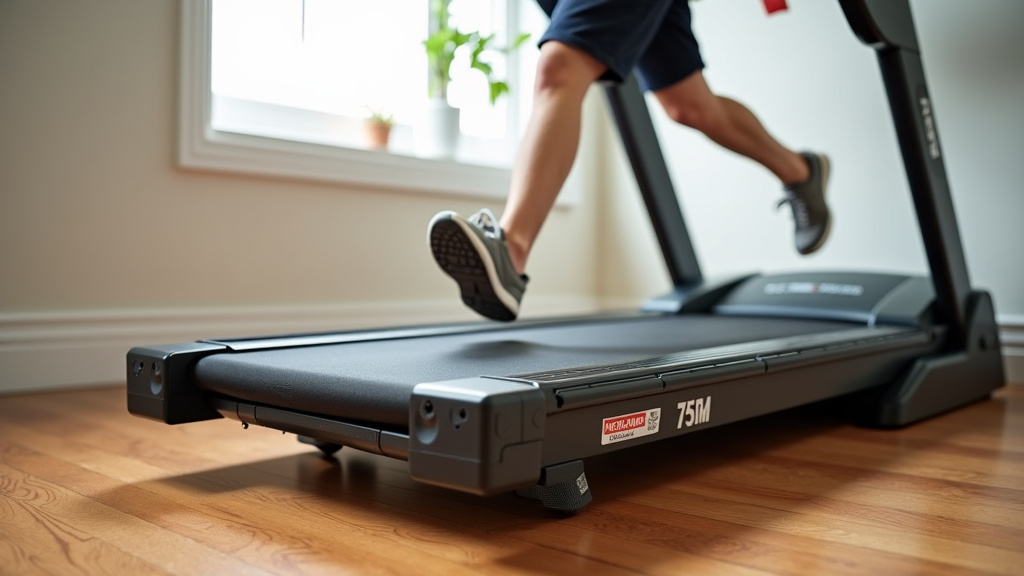
To reduce treadmill noise on hardwood floors, you should immediately place a thick, high-density treadmill mat underneath your machine, which significantly absorbs vibrations and sound. This simple step is the most effective way to dampen impact noise and protect your floors.
Running or walking on a treadmill creates vibrations that travel through the machine’s frame, directly into your hardwood floor. This can lead to a surprisingly loud and annoying thumping sound, not just for you but for anyone below you. We found that proper cushioning and stabilization are key to a quieter workout experience.
- Place a thick mat under your treadmill.
- Check the treadmill’s stability.
- Tighten any loose screws.
- Consider anti-vibration pads.
- Adjust your running form.
Let’s walk through exactly how to stop that treadmill racket and enjoy a more peaceful exercise routine.
Quieting Your Treadmill on Hardwood Floors
You’re ready to get fit, but your treadmill sounds like a drum solo on your hardwood floors. We understand how frustrating that can be! The good news is that reducing treadmill noise is often straightforward. It usually involves a combination of isolating vibrations and ensuring your machine is in top condition.
We found that addressing the source of vibrations is key. This means both external solutions and internal adjustments to your treadmill.
The Power of a High-Quality Treadmill Mat
Think of a treadmill mat as your first line of defense. It acts as a shock absorber between your powerful machine and your delicate floor. Not just any mat will do, though.
Many experts emphasize that the mat needs to be thick and dense. A thin yoga mat won’t cut it. We found that mats made from materials like recycled rubber or high-density PVC work best. These materials excel at dampening vibrations.
Choosing the Right Mat Thickness and Material
When selecting a mat, consider both thickness and density. A thicker mat generally offers better sound absorption. We recommend looking for mats that are at least 1/4 inch thick, with some going up to 1/2 inch or more for maximum effect.
Material is also important. Rubber mats are excellent for grip and vibration absorption. Foam mats can also work, but make sure they are high-density. You want something that won’t compress too much under the weight of your treadmill and your body.
- Rubber Mats: Excellent vibration absorption, durable, good grip.
- High-Density PVC Mats: Good balance of absorption and affordability.
- EVA Foam Mats (thick): Lighter, but check density to prevent too much compression.
Placement and Protection Benefits
Position the mat directly under your treadmill, ensuring it extends slightly beyond the machine’s footprint. This gives you a little extra room for movement and catches any sweat. Besides noise reduction, the mat offers crucial protection for your hardwood floors.
It prevents scratches from the treadmill’s feet and acts as a barrier against sweat, which can damage wood over time. We found this dual benefit makes a good mat an essential investment for any home gym on hardwood.
Stabilizing Your Treadmill for a Quieter Ride
Even with a great mat, a wobbly treadmill will make noise. Vibrations multiply when a machine isn’t stable. Imagine trying to balance a heavy box on a shaky table; it’s just going to create more movement and sound.
Your treadmill needs a solid, level foundation. This often means making small adjustments to the machine itself.
Leveling Your Treadmill
Most treadmills come with adjustable feet or stabilizers. These are usually small rubber or plastic pads on the bottom corners. Use them! We recommend getting a small level, the kind you’d use for hanging a picture frame. Place it on the deck of your treadmill, both lengthwise and widthwise.
Adjust the feet until the bubble on your level is perfectly centered. This simple step can dramatically reduce rocking and rattling. A level treadmill runs smoother and quieter (National Institutes of Health).
Tightening All Bolts and Screws
Over time, the constant impact of running can loosen bolts and screws. A loose connection somewhere in the frame can lead to annoying squeaks, rattles, or thumps. This is a common cause of unexpected noise.
We suggest you regularly check all accessible bolts and screws. Grab a wrench or an Allen key and give them a snug tighten. Don’t overtighten, as this could strip threads, but ensure everything is firm. Pay special attention to the uprights, the console, and the motor housing.
Addressing Specific Noise Sources Within the Treadmill
Sometimes the noise isn’t just about vibrations; it’s about the machine itself. Your treadmill has many moving parts, and like any machine, these parts can develop issues that lead to noise.
Knowing what to listen for can help you pinpoint the problem.
Lubricating the Running Belt
A dry running belt can create friction, leading to squeaking or a grinding sound. It also makes the motor work harder, which can increase motor noise. Most treadmills require lubrication every few months, depending on usage.
Check your owner’s manual for specific instructions and the type of lubricant to use (usually silicone-based treadmill lubricant). Applying lubricant is often a quick process: lift the belt, spray underneath, and then walk on it slowly to distribute the lubricant. This can make a huge difference in how smoothly and quietly your belt operates.
Checking the Motor and Rollers
The motor is the heart of your treadmill, and a noisy motor can be a sign of wear. If you hear a grinding or whining sound coming directly from the motor housing, it might need service. We found that addressing motor issues early can prevent more costly repairs.
Rollers, which are at the front and back of the running deck, can also get noisy if their bearings wear out. A squealing or chirping sound often points to the rollers. These are typically replaced by a technician, but knowing the source helps you explain the problem.
Considering Anti-Vibration Pads or Additional Damping
Even with a mat, you might want extra vibration absorption, especially if you live in an apartment or have particularly sensitive floors. This is where specialized anti-vibration pads come in.
These are usually smaller, dense rubber or foam pads that go directly under the treadmill’s feet. They offer another layer of insulation against noise transmission.
Using Isolator Pads Underneath Feet
Isolator pads are specifically designed to absorb and diffuse vibrations. We found that they work best when combined with a large treadmill mat. They prevent direct contact between the treadmill’s frame and the floor, adding another barrier.
Look for pads made from heavy-duty rubber or cork. Place one pad directly under each of your treadmill’s feet. This can be particularly effective if you notice noise coming from specific points where the treadmill touches the floor.
Adjusting Your Running Form and Workout Habits
Believe it or not, how you run can affect treadmill noise. Your personal running style contributes to the impact vibrations. Small changes can lead to a quieter workout. We’re not suggesting you completely change your form, but subtle tweaks can help.
Focusing on a Lighter Foot Strike
Are you a heavy foot striker? Many people tend to pound the treadmill deck, especially when fatigued. Try to focus on a lighter, softer foot strike. Imagine you’re trying to land quietly. This can involve a slightly quicker cadence (more steps per minute) and less emphasis on pushing off the ground.
This not only reduces noise but can also be easier on your joints. Many runners find that improving their running form leads to a more efficient and comfortable experience (American College of Sports Medicine).
Maintaining Consistent Speed and Avoiding Hard Stops
Sudden changes in speed or hard stops can create jarring movements and increase noise. Try to maintain a consistent speed during your workout. When you need to slow down or stop, do so gradually. Most treadmills have smooth deceleration options.
This reduces stress on the machine’s components and lessens the sudden impacts that lead to loud thuds. It’s like gently applying the brakes in a car versus slamming them on; one is much smoother and quieter.
Treadmill Noise Reduction Checklist
Here’s a quick checklist to help you systematically tackle treadmill noise:
- Place a thick, high-density rubber or PVC mat under the treadmill.
- Use a level to ensure your treadmill is perfectly stable on the floor.
- Tighten all bolts and screws on the treadmill frame and console.
- Check your owner’s manual and lubricate the running belt as recommended.
- Consider adding anti-vibration pads under each of the treadmill’s feet.
- Practice a lighter, softer foot strike during your runs.
By following these steps, you’ll be well on your way to a much quieter workout experience. Your floors, and anyone living below you, will thank you!
Conclusion
You now have a complete toolkit to quiet that noisy treadmill on your hardwood floors. We’ve walked through how a thick, dense mat is your first and best defense, absorbing vibrations and protecting your investment. Remember to also stabilize your machine, tightening any loose parts, and don’t forget to address internal issues like lubrication.
Even small changes to your running form can make a big difference. By putting these strategies into action, you’re not just reducing noise; you’re creating a more pleasant and sustainable workout environment for yourself and everyone around you. Go ahead and enjoy your quieter, smoother run!
Frequently Asked Questions
Can a regular yoga mat reduce treadmill noise on hardwood?
No, a standard yoga mat is typically too thin and lacks the density needed to absorb the significant vibrations from a treadmill. You need a specialized treadmill mat, often made of rubber or high-density PVC, that is at least 1/4 inch thick for effective noise reduction and floor protection.
How often should I lubricate my treadmill belt to prevent noise?
The frequency depends on your treadmill model and usage. Most manufacturers recommend lubricating the belt every 30-40 hours of use, or every 3-6 months. Always check your owner’s manual for specific instructions and the correct type of silicone lubricant to use.
Will putting my treadmill in a basement or garage solve the noise issue?
Moving your treadmill to a basement or garage with a concrete floor can certainly help, as concrete absorbs vibrations better than hardwood. However, you’ll still benefit from using a treadmill mat to further dampen sound and protect the machine from dust or moisture directly on the floor.
What if my treadmill is still noisy after trying everything?
If you’ve implemented all the tips and your treadmill remains excessively noisy, the issue might be mechanical. Listen carefully to pinpoint the source. It could be worn motor bearings, damaged rollers, or issues with the deck itself. At this point, it’s best to consult a professional treadmill technician.
Do treadmill brands matter for noise levels?
Yes, higher-quality treadmills often feature more robust frames, better shock absorption systems, and quieter motors, which naturally lead to less noise. While our tips help all treadmills, a well-built machine typically starts with a quieter foundation than a budget model.
