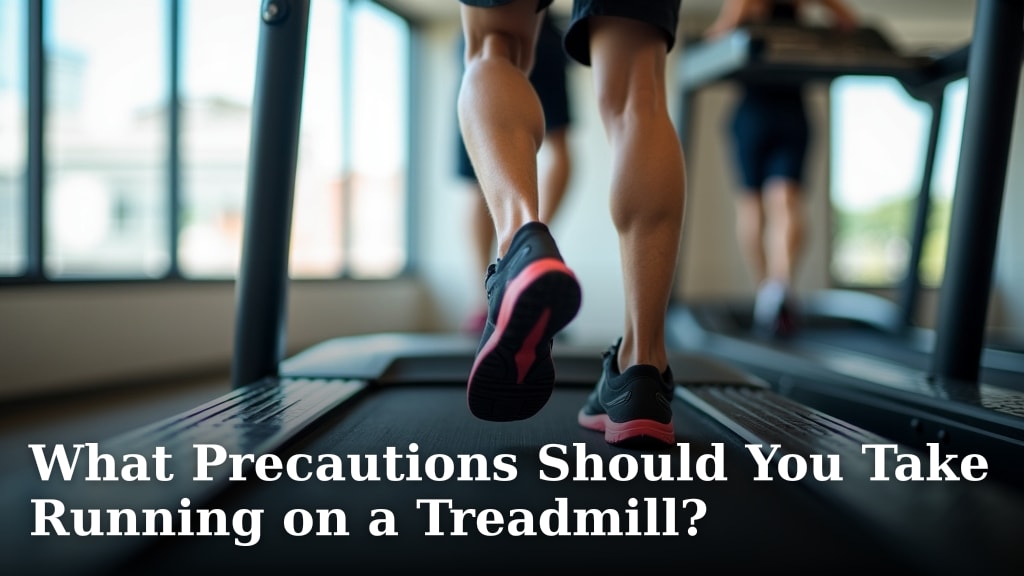
What Are Treadmill Safety Tips for Seniors?
On this page (3 sections)
Yes, treadmills can be a great way for seniors to stay active, but it’s essential to prioritize safety. Taking some simple steps ensures your workout is both effective and accident-free. You want to enjoy exercise without worry, right?
Staying active is key for good health as you age. Treadmills offer a convenient, indoor option for cardio, regardless of the weather. But for older adults, understanding and using treadmill safety tips for seniors is incredibly important.
TL;DR:
- Always start slow.
- Use handrails for balance.
- Wear proper shoes.
- Know how to use the emergency stop.
- Stay hydrated during your workout.
Let’s walk through how to make your treadmill workouts safe and enjoyable. We’ll cover everything you need to know to exercise with confidence.
Essential Treadmill Safety for Senior Exercisers
Making your treadmill workouts safe is simpler than you might think. We’ve gathered practical tips to help you move with confidence. Our goal is to ensure your exercise routine is always a positive experience. You deserve to feel secure while staying active.
Before You Even Step On
Preparation is key to a safe workout. Taking a few moments to get ready can prevent many common issues. Think of it as setting the stage for success. You want everything just right.
Medical Clearance and Assessment
Before starting any new exercise program, especially with equipment like a treadmill, a doctor’s visit is a smart move. Your physician can assess your current health. They’ll tell you if there are any limitations you should know about. This step is non-negotiable for your safety (American Heart Association).
- Discuss any existing health conditions with your doctor.
- Ask about specific exercise recommendations or restrictions.
- Make sure your heart is ready for increased activity.
- Don’t skip this important preliminary step.
Choose the Right Treadmill
Not all treadmills are created equal. For seniors, certain features make a big difference. Look for a machine that suits your needs. A comfortable and stable treadmill is your best friend.
Consider treadmills with longer handrails for better support. A lower deck height makes it easier to step on and off. Some models even have slower starting speeds, which is perfect for building confidence. We found that a wider belt also adds to a feeling of security. You want to feel steady, not wobbly. Our guide to the best treadmill for beginners offers advice on choosing a machine that is easy to use and stable for new users.
Proper Footwear is Crucial
Your shoes are more than just fashion. They provide support and stability. Worn-out shoes can lead to slips or discomfort. This impacts your balance and stride.
Choose athletic shoes with good traction and support. Make sure they fit well and aren’t too loose or too tight. Avoid open-toed shoes or slippers. You need a firm foundation under your feet. Think of your shoes as the tires on a car — they need to be reliable.
During Your Treadmill Session
Once you’re on the treadmill, stay mindful of your movements. Small adjustments can prevent big problems. It’s like driving a car; you pay attention to the road.
Starting and Stopping Safely
This is where many mishaps can occur. Don’t rush. Take your time to get on and off the machine. Your safety is paramount.
Always straddle the belt before starting. That means standing with one foot on each side of the moving belt. This gives you a stable base. Then, slowly increase the speed. When you’re done, gradually decrease the speed until the belt stops completely. Only then should you step off. This measured approach prevents sudden jerks and loss of balance. It’s a simple habit that makes a world of difference. You’re in control.
Using Handrails for Balance, Not Support
The handrails are there to help you. They offer a quick grab if you feel unsteady. But try not to lean on them constantly. This changes your posture and can affect your gait. It’s like using training wheels on a bicycle – eventually, you want to ride freely.
Hold them when you start, stop, or feel a little off-balance. Otherwise, let your arms swing naturally. This helps with balance and gives you a better workout. We found that leaning too much can also strain your neck and shoulders. Your body works best when it moves naturally.
Speed and Incline: Go Slow and Steady
There’s no need to break any speed records. The goal is consistent, comfortable movement. Start with a slow walk. Gradually increase the speed only when you feel completely stable. The same goes for incline. A slight incline can add intensity, but too much can strain your joints. If you have joint concerns, our guide on how to use a treadmill with bad knees offers tips for reducing impact.
Listen to your body. If you feel tired or unsteady, slow down or stop. Your workout should feel challenging but not overwhelming. Think of it as a marathon, not a sprint. Consistency beats intensity every time (National Institute on Aging).
Staying Focused and Hydrated
Distractions can be dangerous on a treadmill. Avoid reading or looking at your phone excessively. Keep your eyes forward or gently scanning the machine’s display. You want to be aware of your surroundings.
Hydration is also crucial, especially during exercise. Keep a water bottle nearby. Sip water throughout your workout. Even mild dehydration can affect your energy and balance. We often forget how important a simple glass of water can be. Your body will thank you.
Emergency Procedures and Monitoring
Knowing what to do in an emergency is critical. It gives you peace of mind. Familiarize yourself with these essential safety features.
The Emergency Stop Button and Clip
Every treadmill has an emergency stop feature. It’s usually a large, red button. Some also have a safety clip that attaches to your clothing. This clip is a lifesaver. If you stumble or fall, it pulls out, immediately stopping the belt. Make sure you know where it is and how it works.
Always attach the safety clip to your clothes before you start. Don’t let it dangle. This simple step can prevent serious falls. It’s your personal safety net. You want to be prepared for anything.
Monitoring Your Body’s Signals
Your body sends important messages during exercise. Pay attention to them. Don’t push through pain or severe discomfort. If something feels off, stop.
Look out for dizziness, chest pain, shortness of breath, or joint pain. These are signals that you might need to rest or even seek medical advice. Exercising should make you feel better, not worse. We found that ignoring these signals can lead to injury (Cleveland Clinic). Be kind to your body.
Treadmill Safety Checklist for Seniors
Before every workout, a quick mental check can make all the difference. This little routine ensures you’re set for a safe and effective session. It’s like checking your car’s mirrors before driving. You want to be sure everything is in place.
- Have you consulted your doctor?
- Are you wearing appropriate, supportive shoes?
- Is the safety clip securely attached to your clothing?
- Do you have water within easy reach?
- Are you starting at a very slow speed?
- Do you feel stable and focused?
By following these guidelines, you can enjoy all the wonderful benefits of treadmill exercise. Remember, staying active is a gift you give yourself. Do it safely, and you’ll reap the rewards for years to come. Your health is worth every precaution.
Conclusion
You’ve seen how a few simple safety measures can transform your treadmill workout. From getting medical clearance to using the emergency stop, each tip plays a vital role in keeping you secure. We’ve found that prioritizing your well-being means you can continue enjoying the many health benefits of exercise for years to come. Remember, your safety isn’t just an option; it’s the foundation of a healthy, active life.
Take these steps, be mindful of your body, and keep moving with confidence. Your healthy future starts with safe choices today.
Frequently Asked Questions
Can I listen to music or watch TV while on the treadmill?
Yes, you can, but do so cautiously. Make sure the volume isn’t so high that it prevents you from hearing the treadmill’s sounds or anyone around you. Always keep your primary focus on your movement and balance.
How often should seniors use a treadmill?
The frequency depends on your fitness level and doctor’s advice. Generally, aiming for 3-5 times a week, for 20-30 minutes each session, is a good goal. Listen to your body and adjust as needed, incorporating rest days.
What if I feel dizzy or lightheaded during a treadmill workout?
If you experience dizziness, lightheadedness, or any discomfort, immediately press the emergency stop button. Step off the treadmill and sit down. If symptoms persist, seek medical attention promptly.
Should I warm up and cool down before and after using a treadmill?
Absolutely. A 5-10 minute warm-up of light walking or stretching prepares your muscles. A similar cool-down period helps your heart rate return to normal and prevents muscle stiffness. This helps your body transition safely.
Is it better to walk on a treadmill or outdoors?
Both have benefits. Treadmills offer a controlled environment, consistent surface, and weather independence. Outdoor walking provides fresh air, varied scenery, and natural terrain. Choose the option that feels safest and most enjoyable for you at any given time.