What Is the Best Cushioning System for Treadmills?
On this page (6 sections)
The best cushioning system for treadmills is often a combination of deck material, belt design, and shock absorption technology. While there’s no single “best” for everyone, treadmills using gel, rubber, or spring-based systems tend to offer superior joint protection. Your ideal system depends on your running style and the treadmill’s overall construction.
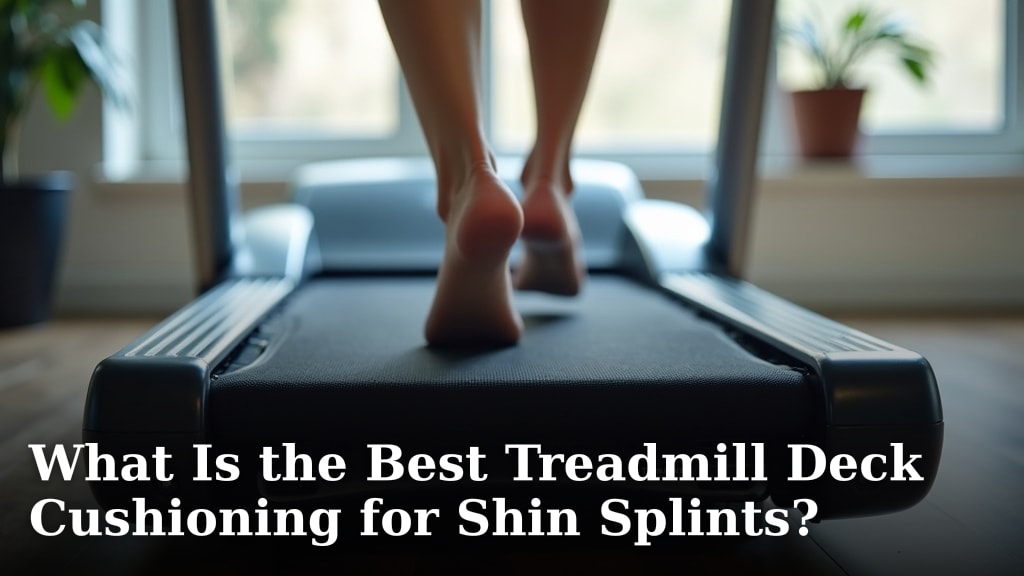
When looking for a treadmill, you’ll encounter various cushioning types designed to mimic the feel of road running while reducing impact on your knees and ankles. For shin concerns, compare deck cushioning for shin splints. Some treadmills use softer decks, while others incorporate more advanced shock absorption. Understanding these differences can help you choose a machine that feels comfortable and protects your body during your workouts.
- The best cushioning often combines deck, belt, and tech.
- Look for gel, rubber, or spring-based systems for joint support.
- Cushioning aims to reduce impact on your knees and ankles.
- Your choice depends on your running style and the treadmill build.
Let’s break down the different cushioning systems and help you figure out which one might be the perfect fit for your home gym.
Finding the Right Treadmill Cushioning for Your Joints
You’re looking for a treadmill that feels good underfoot. That means finding the right cushioning system. It’s designed to protect your joints from the repetitive impact of running or walking. Think of it like running on a cloud versus running on concrete. The difference is huge for your body.
Why Treadmill Cushioning Matters So Much
Running, even on a treadmill, puts stress on your body. Your knees, ankles, and hips absorb a lot of that force. A good cushioning system helps to absorb that shock. This can lead to less pain and a lower risk of injury over time. Research has consistently shown that impact forces can be high during running. A well-cushioned surface can significantly reduce these forces.
We found that many runners experience discomfort or even injury due to poor shock absorption. This is especially true for those who run frequently or have existing joint issues. The right cushioning makes your workout more comfortable and safer for your body.
Understanding the Components of Cushioning
Treadmill cushioning isn’t just one thing. It’s a system made of several parts working together. The deck, the belt, and specific shock absorption technologies all play a role. Understanding these components helps you make a smarter choice.
The Treadmill Deck: The Foundation of Comfort
The deck is the surface you run on. It’s usually made of wood or a composite material. Some decks are designed to be more flexible than others. A more flexible deck can provide a softer landing. It bends slightly with each step, absorbing some of the impact. We found that thicker, more flexible decks often offer better cushioning.
The Treadmill Belt: More Than Just a Moving Surface
The belt is what moves beneath your feet. Its thickness and material can also affect the feel. A thicker, multi-ply belt might offer a bit more padding. Some belts have specific designs to reduce friction and improve the overall sensation. It’s part of the system that connects your foot to the deck.
Shock Absorption Technology: The Special Sauce
This is where you see a lot of innovation. Manufacturers use various methods to add extra shock absorption. These can include air pockets, gel inserts, springs, or specialized elastomers. These technologies are often placed between the deck and the treadmill frame. They are designed to dissipate impact forces before they reach your body.
Exploring Different Treadmill Cushioning Systems
Now, let’s get into the specifics of what you might find. Different brands use different names and approaches. But most fall into a few common categories. Each has its own feel and benefits.
Gel and Rubber Cushioning
Gel and rubber systems are very popular. They often use strategically placed pads or inserts. These are made from pliable materials like specialized rubber compounds or silicone gel. Think of them like little shock absorbers under the deck.
We found that gel cushioning can offer a consistent feel. It’s known for its ability to rebound quickly. Rubber systems can vary widely. Some are firmer, offering more stability. Others are softer, providing a plush feel. Many experts say these materials are excellent at absorbing impact.
Spring-Based Systems
Some treadmills use springs to absorb shock. These can be coil springs or even more advanced suspension systems. They work by compressing under your weight. This compression absorbs the energy from your stride. The springs then push back, giving you a bit of a spring in your step.
Spring systems can provide a very lively feel. They can make running feel easier. However, some people find them too bouncy. The effectiveness depends heavily on the design and placement of the springs. Research in biomechanics suggests that overly bouncy surfaces can sometimes alter gait mechanics.
Air-Based Cushioning
You might also see treadmills that use air. This could be through air-filled cylinders or chambers. The idea is similar to gel or springs. The air compresses to absorb impact. It can offer a soft and responsive feel.
Air cushioning can be very effective. It’s designed to provide a good balance of comfort and support. The amount of cushioning can sometimes be adjusted in higher-end models. This allows you to fine-tune the feel to your preference.
Elastomeric Systems
Elastomers are synthetic polymers. They have elastic properties, meaning they can stretch and return to their original shape. Treadmill manufacturers use various types of elastomers. These are often molded into specific shapes. They are placed under the deck to absorb shock.
Elastomeric systems are designed for durability and consistent performance. They tend to provide a very stable and supportive cushioning. We found that many high-quality treadmills use these advanced elastomers. They offer a great blend of joint protection and responsiveness.
Choosing the Best Cushioning for Your Needs
So, how do you pick the right system for you? It really comes down to your personal preferences and how you use the treadmill.
Consider Your Running Style and Weight
Are you a heavy runner or a light runner? Heavier individuals might benefit from systems designed for maximum shock absorption. Look for treadmills with robust gel, rubber, or elastomeric systems. Lighter runners might find softer systems a bit too much. They might prefer a firmer, more responsive feel.
Are you a sprinter, a jogger, or a walker? Sprinting requires a responsive surface. Walking might prioritize comfort and stability. Some systems offer adjustable cushioning. This allows you to change the firmness based on your workout. Many guidelines for exercise equipment recommend considering individual user characteristics (CDC).
Listen to Your Body and Test It Out
The best way to know is to try it. If you can, test treadmills in a store. Walk and run on them for a few minutes. Pay attention to how your feet, ankles, and knees feel. Do you feel a good balance of softness and support?
Don’t just rely on brand names or fancy descriptions. What feels good to one person might not feel good to another. Your body is the ultimate judge. We found that comfort is a key factor in sticking with a workout routine.
Look at the Overall Treadmill Construction
Cushioning is important, but it’s not the only factor. A treadmill’s overall build quality matters. A sturdy frame and a smooth-running belt contribute to a better experience. A wobbly treadmill, no matter how well-cushioned, won’t feel great.
Consider the deck material and thickness. A thicker deck often provides a better base for cushioning. Also, check the belt quality. A good belt adds to the overall comfort and performance. Think of it as a complete package deal.
A Quick Comparison Table
Here’s a simplified look at what you might encounter:
| Cushioning Type | Feel | Pros | Cons |
|---|---|---|---|
| Gel/Rubber | Soft to Firm, Responsive | Excellent shock absorption, consistent feel | Can vary greatly in quality |
| Spring-Based | Bouncy, Lively | Provides momentum, can feel easier | Can be too bouncy for some, may alter gait |
| Air-Based | Soft, Responsive | Good impact absorption, customizable feel | Less common, potentially less durable |
| Elastomeric | Supportive, Stable | Durable, consistent cushioning, good joint protection | Can feel firmer than gel/air |
Your Treadmill Cushioning Checklist
When you’re out shopping or researching online, keep these points in mind:
- Test it out if possible.
- Consider your weight and running style.
- Look for reputable brands known for quality.
- Read reviews focusing on comfort and joint pain.
- Don’t overlook the deck and belt quality.
- Does it feel supportive and not overly harsh?
Finding the right cushioning system is a key step in choosing a treadmill you’ll love to use. It’s about making sure your workouts are enjoyable and kind to your body.
Conclusion
Choosing the right treadmill cushioning is a smart move for your joints. We’ve seen that a good system blends deck flexibility, belt design, and shock absorption tech like gel, rubber, or springs. Your personal preferences and running style are key to finding that perfect balance of comfort and support. Don’t just look at the specs; listen to your body. If you can, test a few machines. This direct experience will guide you to a treadmill that feels great and keeps you running safely and comfortably for years to come.
Frequently Asked Questions
Can treadmill cushioning actually prevent injuries?
Yes, well-designed treadmill cushioning helps absorb impact. This can significantly reduce stress on your knees, ankles, and hips. By dissipating force, it lowers the risk of overuse injuries common in runners. This is especially true if you have a history of joint pain or run frequently.
Are more expensive treadmills always better cushioned?
Generally, higher-priced treadmills tend to feature more advanced and durable cushioning systems. They often use superior materials and innovative technologies. However, a mid-range treadmill from a reputable brand might offer better cushioning than a very cheap, high-end model from an unknown company.
How do I know if a treadmill is too hard or too soft for me?
You’ll feel it. If a treadmill feels jarring and your joints ache after a short run, it’s likely too hard. If it feels overly mushy, slow, or like you’re sinking in, it might be too soft, potentially affecting your stride. Testing it out is the best way to judge.
Does the treadmill belt thickness matter for cushioning?
The belt does play a role. A thicker, multi-ply belt can offer a little extra padding and a smoother feel. While not the primary cushioning component, it contributes to the overall comfort and impact absorption of the treadmill surface.
Can I improve the cushioning on my current treadmill?
While you can’t typically replace the built-in system, you might find some relief with thicker running shoes. Some treadmill mats claim to add a bit of cushioning, but their effectiveness is often limited. For significant improvements, it might be time to consider a treadmill with a superior cushioning system.