What Is an Incline Trainer Treadmill?
On this page (5 sections)
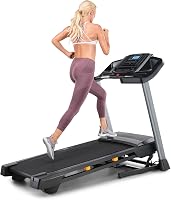
An incline trainer treadmill is a specialized cardio machine that allows you to simulate walking or running uphill. Unlike a standard treadmill, it can incline much steeper, often up to 20% or even 40%. This steep incline targets different muscle groups and provides a more intense workout. It’s designed to burn more calories in less time.
You might be wondering if this is just a fancy treadmill. Well, research and user experiences show incline trainers offer unique benefits. They can be incredibly effective for improving leg strength and boosting your cardiovascular fitness. Many people find it’s a great way to get a challenging workout without the pounding impact of running on a flat surface. It’s a smart tool for fitness enthusiasts looking to shake up their routine.
- It’s a treadmill that goes uphill, way uphill!
- It targets leg muscles like your glutes and hamstrings.
- You can burn more calories in less time.
- It’s gentler on your joints than running on flat ground.
- Great for adding intensity to your cardio.
Ready to learn more about how this powerful machine can transform your workouts? Let’s dive into what makes an incline trainer treadmill so special and how you can best use one.
Understanding the Power of an Incline Trainer
So, you’ve heard about incline trainer treadmills and are curious. What makes them stand out from your everyday treadmill? Think of it as a treadmill with a serious upgrade. It’s designed to help you climb mountains without leaving your living room. Unlike standard treadmills that typically offer a maximum incline of around 10-15%, incline trainers can reach a whopping 20% and sometimes even 40%. This means you get a significantly more intense workout. You’re not just walking or running; you’re simulating a challenging hike or a steep hill climb with an incline trainer for hill training. This increased intensity leads to some fantastic fitness benefits.
The Core Difference: Steep Incline Capabilities
The primary distinction lies in the maximum incline percentage. Standard treadmills are great for flat running or moderate inclines. They are perfect for a general cardio workout. Incline trainers, however, are built for much more. Their robust motors and sturdy frames can handle these extreme angles. This allows for a dramatically different type of training. You can effectively work your muscles in ways a flat treadmill simply cannot replicate. It’s this steep incline feature that unlocks a new level of fitness potential.
Beyond Flat Ground: Muscle Engagement
When you engage the steep incline on a trainer, your body has to work harder. This isn’t just about burning more calories, though that’s a big plus. It’s also about engaging different muscle groups. Your glutes, hamstrings, and calves are put to work in a way that feels more like hiking uphill. Your quadriceps get a solid workout too, especially as you push off with each step. Even your core muscles engage more to maintain balance and stability on the steeper slope. It’s a fantastic way to build strength in your lower body without heavy weights.
Targeting Key Leg Muscles
Let’s break down which muscles get the most attention. Your gluteal muscles (your glutes) are heavily activated, helping to power your stride uphill. The muscles at the back of your thighs, your hamstrings, also play a crucial role. They work overtime to extend your hip and stabilize your leg. Your calves, from your gastrocnemius to your soleus, are constantly engaged to push you forward and upward. This targeted muscle activation can lead to stronger, more toned legs over time.
Core Strength and Stability
While you might not think of it first, your core muscles get a workout too. Balancing on an incline requires more stabilization. Your abdominal muscles and your back muscles work harder to keep you upright and stable. This increased core engagement can contribute to better posture and a stronger, more stable body overall. It’s an often-overlooked benefit of incline training.
Calorie Burn: An Incline Advantage
One of the most frequently cited benefits of incline trainers is their superior calorie-burning potential. Because you’re working against gravity at a much steeper angle, your body expends more energy. Research often shows that you can burn significantly more calories in the same amount of time compared to a flat treadmill workout. This makes it an efficient tool for weight management and improving cardiovascular health. If you’re short on time but want a highly effective cardio session, an incline trainer can be a game-changer. For focused buying advice, see incline trainers for weight loss.
Efficiency in Fat Burning
The increased calorie expenditure directly translates to enhanced fat burning. Studies have indicated that workouts performed at higher intensities, such as those on an incline trainer, can lead to a greater metabolic effect. This means your body continues to burn calories at an elevated rate even after your workout is finished, a phenomenon known as the afterburn effect. For individuals focused on losing body fat, this efficiency is incredibly appealing.
Benefits of Incorporating an Incline Trainer
Now that you understand what makes an incline trainer unique, let’s look at the tangible benefits it can bring to your fitness journey. These machines aren’t just for elite athletes; they offer advantages for a wide range of fitness levels and goals. You can improve your cardiovascular system, build lower body strength, and even reduce the impact on your joints.
Cardiovascular Health Boost
Your heart is a muscle, and like any muscle, it needs to be challenged to get stronger. The high intensity of incline training provides an excellent cardiovascular workout. You’ll find your heart rate increases quickly, giving your aerobic system a serious boost. Regular use can lead to improved endurance, a lower resting heart rate, and a reduced risk of heart disease. The Centers for Disease Control and Prevention (CDC) recommends aiming for at least 150 minutes of moderate-intensity aerobic activity or 75 minutes of vigorous-intensity aerobic activity per week, and incline training certainly fits the bill for vigorous activity.
Lower Impact on Your Joints
This might sound counterintuitive because it’s more intense, but incline training can actually be gentler on your joints than running on a flat surface. When you run on a flat treadmill, each footfall creates a significant impact force. By inclining the treadmill, your stride changes. You often take shorter steps, and your feet land more softly. This reduces the pounding on your knees, hips, and ankles. Many people who experience joint pain from flat running find incline training to be a more comfortable alternative. It allows you to get a great cardio workout without the associated joint stress.
Building Lower Body Strength and Endurance
We touched on muscle engagement earlier, but it’s worth reiterating the strength-building aspect. Think of it like resistance training for your legs. As you climb steeper, your muscles work harder to overcome gravity. This consistent challenge helps to build muscular strength and endurance in your glutes, hamstrings, quads, and calves. Over time, you’ll notice your legs becoming stronger and more capable. This can translate to better performance in other physical activities and everyday life.
Versatility for Different Fitness Goals
Whether you’re looking to lose weight, train for a hike, improve your running form, or simply add variety to your routine, an incline trainer offers versatility. You can tailor your workouts by adjusting the speed and incline. A slower speed with a high incline can mimic a strenuous hike. A moderate speed with a moderate incline is great for sustained cardio. Even a faster speed with a slight incline can offer a challenging but less impactful running experience. This adaptability makes it a valuable tool for many different fitness pursuits.
How to Get the Most Out of Your Incline Trainer
Owning an incline trainer is one thing; using it effectively is another. To truly reap the rewards, you need a smart approach. It’s about more than just cranking the incline to maximum. Proper form, gradual progression, and varied workouts are key. Let’s look at how you can make the most of this powerful machine.
Start Gradually and Listen to Your Body
If you’re new to incline training, don’t jump into extreme settings immediately. Your body needs time to adjust. Begin with a gentle incline, perhaps 2-5%, and a comfortable walking speed. As you get used to the sensation, gradually increase the incline and duration of your workouts. Pay close attention to how your muscles and joints feel. Pushing too hard too soon can lead to soreness or even injury. Rest days are just as important as workout days for muscle recovery and adaptation.
Warm-Up and Cool-Down are Essential
Before you start your incline session, always perform a proper warm-up. This could involve 5-10 minutes of light walking on a flat surface or a low incline. Dynamic stretches like leg swings and hip circles can also prepare your muscles. After your workout, don’t just hop off. A cool-down period is crucial. This involves gradually decreasing your speed and incline for 5-10 minutes. Follow up with static stretches, holding each stretch for 30 seconds, focusing on your calves, hamstrings, quads, and glutes. This helps improve flexibility and reduce post-exercise muscle stiffness.
Incorporate Variety into Your Workouts
To avoid plateaus and keep your workouts engaging, mix things up. You don’t have to do the same incline and speed every time. Try interval training: alternate between short bursts of high incline/speed and recovery periods. You could also try sustained climbs at a challenging incline for a set duration. Varying your intensity and duration will continue to challenge your body and lead to ongoing improvements. Many incline trainers come with pre-programmed workouts that can guide you.
Proper Form Matters
Maintaining good form is vital for both effectiveness and injury prevention. Keep your posture upright and avoid leaning too far forward. Engage your core. Let your arms swing naturally for balance, but avoid gripping the handrails tightly unless you absolutely need them for stability, as this can throw off your balance and reduce calorie burn. Focus on a smooth, controlled stride. Imagine you’re powering up a real hill – lean slightly forward from the hips, not the waist, and drive through your heels.
Consider Your Footwear
The right shoes can make a big difference. You’ll want comfortable, supportive athletic shoes. Ensure they offer good cushioning and a secure fit. Since you’ll be working your legs intensely, a shoe that provides adequate support for your arches and ankles is beneficial. If you have specific foot concerns, like plantar fasciitis or flat feet, consulting with a podiatrist or a specialist at a running store can help you find the best footwear for your biomechanics.
Here’s a quick checklist to keep in mind for your incline training:
- Always warm up before starting your incline workout.
- Start with a lower incline and gradually increase as you feel comfortable.
- Focus on maintaining an upright posture and engaging your core.
- Don’t grip the handrails constantly; use them for balance support only.
- Cool down properly after your session and include stretching.
- Listen to your body and rest when needed.
Conclusion
You’ve learned that an incline trainer treadmill offers a powerful way to boost your fitness. Its steep incline capabilities allow you to target leg muscles more effectively and burn more calories in less time. Research shows it provides a great cardiovascular workout while being gentler on your joints than flat running. By starting gradually and focusing on proper form, you can safely incorporate this versatile machine into your routine.
Ready to take your workouts to the next level? Consider trying an incline trainer during your next gym visit or explore options for your home fitness setup. You might find it’s exactly what you need to reach your health goals.
Frequently Asked Questions
Can an incline trainer replace my regular treadmill?
Yes, an incline trainer can absolutely replace your regular treadmill. It offers all the functions of a standard treadmill plus the added benefit of steep inclines, giving you more workout variety and intensity.
Is incline training difficult for beginners?
Incline training can be