Resistance Bands vs Weights: Which Should You Choose? (November 2026)
Choose resistance bands for portable, space-saving training, and choose weights for clearer load progression and heavier strength work. Your best option depends on your goals, available storage and how you like to train.
On this page (10 sections)
- Resistance bands vs weights: which should you choose?
- How does resistance progression differ?
- Which option is better for home storage?
- Which equipment is easier to take while traveling?
- Which option supports more exercises?
- Which resistance-band set fits your training style?
- How should you choose resistance bands or weights?
- How do you use and care for either option?
- Can resistance bands replace weights?
- Verdict: resistance bands or weights?
Choose resistance bands for portability and small-space training, or choose weights for fixed loads and heavier progression. The resistance bands vs weights decision comes down to your training goals, storage space and preferred exercises.
Resistance bands create tension as they stretch, while weights provide external load through the movement. Both can support strength training when you use a challenging resistance and increase the difficulty over time.
This comparison looks at progression, exercise choice, storage, portability and setup. It also compares 4 resistance-band options for readers who want compact home strength equipment.
 Best for simple home workouts
Renoj Fabric Resistance Bands for Working Out

Resistance bands vs weights: which should you choose?
Choose resistance bands if you need portable equipment, and choose weights if you want a fixed load that is easy to measure. Neither option is automatically better for every workout.
Bands can work well for glute exercises, leg training, warmups, mobility work and travel workouts. See the best resistance bands for home workouts to compare options.
Some sets use simple loops, while others use ankle cuffs for more targeted movements.
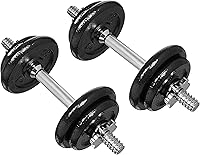
Weights suit exercises such as presses, rows, curls, squats and deadlifts when you want to hold a defined load. Adjustable dumbbells can reduce the amount of storage needed compared with a large fixed-weight set.
Our guide to adjustable dumbbells up to 90 lbs explains what to check before choosing that format.
How does resistance progression differ?
Weights usually offer clearer load progression, while bands offer flexible changes through band level, stretch and exercise position. Your best choice depends on how precisely you want to track increases.
With weights, you can move from one dumbbell load to another and record the change. A 10 lb dumbbell remains a 10 lb dumbbell throughout the movement, although the exercise can still feel harder or easier at different points.
With bands, tension changes as the band stretches. A band may feel easier at the start of a movement and harder near the end.
You can increase difficulty by using a stronger band, adding a band, changing your stance or increasing the stretch.
That flexibility helps when you train in a small room or need several exercises from a compact set. It can also make progress harder to compare from one session to the next, especially if your setup changes.
Are resistance bands good for progressive training?
Yes, resistance bands can support progressive training when you use stronger levels, more stretch, slower repetitions or more demanding exercises. Keep one change at a time so you can tell what made the session harder.
A 3-band set gives you fewer progression steps than a 4-band set. The Vergali set has 4 resistance levels, with tension ranges from 14 to 60 lb by level, so it gives you more options within one loop-based system.
For stronger lower-body work, the best heavy resistance bands guide can help you compare options designed around higher resistance. Check that the band format matches the movement you want to perform.
Which option is better for home storage?
Resistance bands are usually easier to store because they are compact and can stay in a carry bag. Weights need a stable place where they won't roll, damage flooring or create a trip hazard.
A fabric loop set can fit in a drawer, closet or gym bag. The Renoj set includes 3 bands and a carry bag, making it a simple choice for a small home workout area.
The Vergali set also includes 4 fabric bands and a carry bag. Its printed training guide adds useful structure if you want a planned way to use the different levels.
Weights take more floor space as the load increases. A pair of light dumbbells may fit under furniture, but a larger collection needs a rack, shelf or dedicated corner.
Protect the floor beneath weights and keep a clear path around your training area. With bands, check that nearby furniture and sharp edges won't catch or cut the material during use.
Which equipment is easier to take while traveling?
Resistance bands are the better travel choice because they are light, flexible and easy to pack. Weights are harder to carry and may not be practical when luggage space is limited.
The Renoj bands weigh 12.7 oz and include a carry bag. They suit home, gym, office and travel workouts, with a loop format for legs, glutes, yoga and Pilates.
The Vergali set weighs 0.5 kg and includes a drawstring carry bag. Its 4 levels let you choose a resistance that fits your workout without packing separate weights.
Ankle-cuff sets are portable too, but they include more parts. The Ayombo set has 3 bands, 2 ankle straps, a carry bag and an instruction manual.
That setup makes it more useful for targeted leg and glute exercises than for a general full-body travel routine.
If you want to compare loop styles before choosing, start with our home strength equipment guide. It covers how compact equipment can fit into a wider home workout plan.
Which option supports more exercises?
Weights usually cover more traditional full-body strength exercises, while resistance bands are especially useful for lower-body, warmup and targeted movements. The best equipment is the one that matches the exercises you will repeat.
A dumbbell can support presses, rows, curls, carries, squats and lunges. A barbell or heavier weight setup can also suit strength goals that require substantial external load.
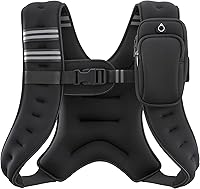
For walking with added weight, compare weighted vests and backpacks.
Loop bands are useful for lateral steps, glute bridges, squats, hip work and leg activation. They can also add resistance to selected upper-body movements when you have a secure grip or anchor.
Ankle-cuff bands focus the resistance around leg movement. The Ayombo set lists kickbacks, side leg lifts, leg stretches, lunges and Pilates among its recommended uses.
The KUZARO set is also designed for glute, hip and leg training. It includes 3 bands with 10, 20 and 30 lb levels, plus 2 ankle straps, a carry bag and a user manual.
For a simpler loop comparison, see resistance bands vs tubes. The attachment style changes how easily you can move between exercises.
Which resistance-band set fits your training style?
Choose Renoj for a simple 3-band loop set, Vergali for more loop levels and guidance, Ayombo for ankle-cuff training, or KUZARO for adjustable cuff work with a double-layer design. These products solve different problems, so the highest score is not the only factor.
Renoj Fabric Resistance Bands for Working Out
The Renoj set includes 3 fabric exercise loops, 3 resistance levels and a carry bag. Its stated tension support is 35 lb, and the set weighs 12.7 oz.
Choose it for a straightforward home or travel routine focused on legs, glutes, yoga, Pilates and general exercise. The fabric material and non-slip feature suit users who prefer a loop that stays in place during lower-body movements.
Its main trade-off is limited progression compared with a 4-level loop set or a larger weight collection. It is a good fit when compact storage and simple setup matter most.
Vergali Resistance Bands for Working Out
The Vergali set includes 4 fabric bands, 4 resistance levels, a carry bag and a printed training guide. Its levels range from Light at 14 to 25 lb through Heroic at 45 to 60 lb.
Choose it when you want more loop-based progression and a guide for training legs, glutes, calves and core. Its non-slip design and fabric construction make it a practical choice for home, gym, park or travel use.
The extra level gives you more room to adjust resistance than a 3-band set. It remains a loop system, though, so it won't replace the exercise range of a full dumbbell collection.
Ayombo Ankle Resistance Bands with Cuffs
The Ayombo set includes 3 bands with 10, 20 and 30 lb levels, 2 ankle straps, a carry bag and an instruction manual. Its cuffs use a sponge pad, neoprene ankle padding and a double D-ring design.
Choose it for targeted lower-body movements such as kickbacks, side leg lifts, leg stretches and lunges. The cuff format places the resistance around the ankle, which can make it more suitable for leg-focused training than a basic hip loop.
The trade-off is a narrower exercise range. You will spend more time attaching the cuffs, and the set is less natural for pressing, curling or rowing movements.
KUZARO Ankle Resistance Bands with Cuffs
The KUZARO set includes 3 natural-rubber bands, 2 ankle straps, a carry bag and a user manual. Its 3 levels are 10, 20 and 30 lb, and the bands can be used separately or combined for up to 60 lb.
Choose it when you want adjustable resistance for glute, hip and leg work. The double-layer design, neoprene ankle straps and dual D-rings are aimed at stability and comfort during cuff-based movements.
Its main limitation is focus. This is a lower-body setup rather than a replacement for weights across a full-body strength plan.
How should you choose resistance bands or weights?
Choose by the exercises you will do most often, then check progression and storage before buying. A compact set that gets used regularly is more useful than a larger setup that stays in a corner.
Pick resistance bands if you:
- Train at home with limited space.
- Travel or move between workout locations.
- Prefer glute, hip, leg, yoga or Pilates exercises.
- Want equipment that stores in a bag.
- Need a lower-cost way to vary resistance without a rack.
Pick weights if you:
- Want a fixed load that is easy to record.
- Plan to focus on presses, rows, curls, carries or loaded squats.
- Need heavier resistance for your main strength movements.
- Have safe floor space for storage and lifting.
- Prefer traditional dumbbell training.
You can also use both. Bands can add warmup work or targeted movements to a weight routine, while weights can provide the main load for exercises where precise progression matters.
How do you use and care for either option?
Start with controlled movements, clear the workout area and increase resistance only when your form stays steady. Equipment choice cannot replace safe setup and gradual progression.
For bands, inspect the material before each session. Don't use a band with visible damage, and keep it away from sharp edges, excessive heat and surfaces that could cut or abrade it.
For loop bands, place the band where it stays flat and does not twist. For ankle cuffs, tighten the straps so they stay secure without forcing the movement or causing discomfort.
For weights, use a stable surface and keep the load close to your body when moving it. Return dumbbells to a safe storage spot after training so they don't become a floor hazard.
Clean and store each item according to its material and design. Keep fabric bands dry, and let any damp equipment dry before placing it in a bag.
Can resistance bands replace weights?
Resistance bands can replace weights for some home workouts, but they won't match every weight-training goal. They work best when your routine centers on portability, lower-body training, general strength and limited storage.
A band set may not provide the same load range or exercise feel as dumbbells. It also changes resistance through the movement, while a weight gives you a more consistent external load.
Weights may be the better primary tool for heavy strength work and precise load tracking. Bands remain useful as a separate compact system or as an addition to a weight routine.
Verdict: resistance bands or weights?
Pick resistance bands if you value portability, storage and flexible home workouts. Pick weights if you want fixed loads, broader traditional exercises and clearer heavy-strength progression.
For a simple loop set, choose Renoj. For more loop levels and a training guide, choose Vergali.
For targeted ankle work, choose Ayombo or KUZARO, with KUZARO offering separate or combined bands.
Before choosing, match the equipment to your room, your most-used exercises and the resistance you can progress with safely. For sizing help, read how to choose the right resistance band size, then build the routine you are most likely to follow.
Frequently asked questions
Are resistance bands better than weights?
Resistance bands are better for portable, low-storage workouts, while weights are better when you want a fixed load and a clear path to heavier strength training. Bands suit travel, warmups and lower-body work.
Weights suit exercises where you want to add small, measured increases over time.
Can resistance bands build muscle like weights?
Resistance bands can support muscle-building workouts when the resistance makes each set challenging and your routine progresses over time. Weights may make heavier loading easier to measure, but bands can still train legs, glutes, shoulders, back and arms with suitable exercises and resistance levels.
Do resistance bands take less space than weights?
Yes, resistance bands usually take less storage space than a set of dumbbells because they are flat, flexible and light to carry. A loop set or cuff-based set can fit in a small bag.
Weights need a stable storage area and enough floor space for safe use.
Should beginners start with resistance bands or weights?
Beginners can start with either option, but resistance bands are often easier to store and carry. Choose a band level that lets you control the full movement, or choose light weights that you can lift without losing form.
Progress gradually instead of chasing the heaviest resistance.