Weighted Vest vs Backpack: Which Should You Choose? (November 2026)
Choose a weighted vest for full-body workouts and a backpack for loaded walking or rucking. The right option depends on how stable you need the load, how much chest freedom you want and where you train.
On this page (9 sections)
- Weighted vest vs backpack: which is better?
- How does load distribution differ?
- Which option gives you more movement freedom?
- Which is better for running and walking?
- Which product fits your training style?
- How should you choose the right fit?
- What should you carry with each option?
- How do you care for a vest or weighted backpack?
- Weighted vest vs backpack: which should you choose?
Choose a weighted vest for full-body exercise and a backpack for loaded walking or rucking. A vest spreads resistance around your torso, while a weighted backpack keeps the load behind you and can leave more of your chest uncovered.
The best choice depends on the movement you do most. Vests suit squats, lunges, push-ups and conditioning, while backpacks suit walking, hiking and rucking with a stable rear load.
For another way to add load, compare weighted vests and ankle weights.
This comparison covers fit, load distribution, movement freedom, storage and product trade-offs.

Weighted vest vs backpack: which is better?
A weighted vest is the better all-around choice for mixed workouts, while a backpack is better for rucking and loaded walks. Pick the vest when you need the load close to your body during exercises, and pick the backpack when you want a chest-open carry.
A vest sits across your chest, shoulders and torso. That can make resistance feel more balanced during bodyweight movements, but it also adds material across the front of your body.
A backpack places the load behind you. That leaves the front of your chest more open, but you need to adjust the shoulder straps and sternum strap so the weight does not bounce or hang too low.
The same decision applies when comparing a weighted vest vs weighted backpack. The vest is more versatile for floor work, while the backpack is more specialized for walking with weight.
How does load distribution differ?
A vest keeps weight around your torso, while a rucking backpack keeps weight high against your back. The best position depends on whether you need balance during exercise or stability during a loaded carry.
The CAP Adjustable Weighted Vest uses individual adjustable weights and an adjustable waist belt with padded shoulders. Its detailed data describes resistance from 2.5–40 lb, giving you room to change the load as your training changes.
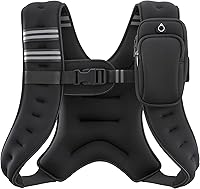
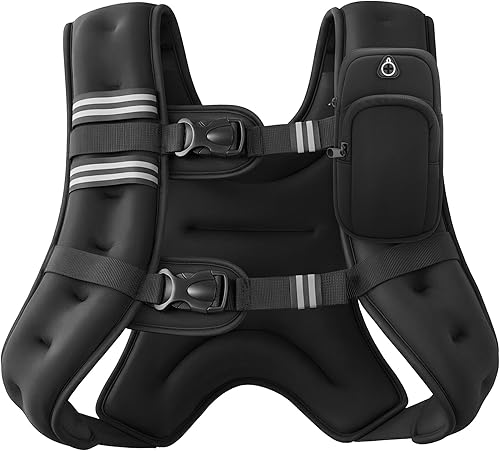
The ZELUS Weighted Vest uses iron sand in a neoprene body and is available in a 20 lb size. Buckle straps fit chest sizes from 31.5–45 in, while the vest's filling is designed for even distribution.
The GORUCK Rucker 4.0 has raised plate pockets that keep compatible weight high and stable. Its 20L capacity also gives you room for essential gear, so it works as a training bag and a daypack.
The GORUCK Ruck Plate Carrier 3.0 is more focused. Its raised pocket is designed for 10, 20 or 30 lb Standard Ruck Plates, and its 10 mm EVA lumbar padding supports the lower back area during weighted carries.
Compare weighted vests and plate carriers before choosing a setup.
Which option gives you more movement freedom?
A weighted vest usually gives better freedom for exercises that use your back, chest and arms. A backpack keeps the front of your torso clear, but its shoulder straps and rear load can affect arm swing and posture.
A vest is useful for push-ups, squats, lunges and conditioning because the load moves with your trunk. Compare weighted vest options for workout picks.
The CAP vest is designed for whole-body resistance training, running, walking and workouts.
A backpack can be less intrusive across the chest. The Ruck Plate Carrier 3.0 specifically uses a chest-open design, which may suit push-ups, bear crawls, burpees and rucking when you do not want a front panel.
The trade-off is that a rear load can change how you walk or run. Keep the backpack high and tight, adjust both shoulder straps evenly and use the sternum strap when the design includes one.
For more ideas, see these weighted vest exercises and compare a vest with weighted wrist weights if you are deciding where resistance should sit.
Which is better for running and walking?
Choose a vest for short running sessions and a backpack for deliberate rucking or loaded walking. A vest keeps the load close to your center, while a backpack gives you a dedicated rear compartment and plate pocket.
The CAP vest includes reflective stripes for low-light walking or running and can be adjusted as your resistance needs change. The ZELUS vest also includes reflective stripes and cushioned shoulder straps.
The Rucker 4.0 is built around rucking, with wide padded straps, raised plate pockets and a 75 lb maximum weight recommendation. That does not mean every user should carry that much.
Start with a load you can control and increase only when your form stays steady.
The Ruck Plate Carrier 3.0 is a lighter-feeling choice in terms of storage because it is stripped down to carrying weight. It suits someone who wants a plate carrier rather than a 20L bag.
Before choosing a vest for running, read our guide to the best weighted vest for running. Also check how heavy a weighted vest should be before selecting a starting load.
Which product fits your training style?
The CAP is the strongest match for adjustable training, while the ZELUS suits a fixed 20 lb vest. The GORUCK Rucker 4.0 fits versatile rucking, and the Ruck Plate Carrier 3.0 fits minimalist loaded carries.
CAP Adjustable Weighted Vest 20–150 lbs
The CAP vest is the most flexible option here because its detailed product data describes individual adjustable weights from 2.5–40 lb. Its adjustable waist belt and padded shoulders are intended to limit shifting during movement.
The product title says 20–150 lbs, while the detailed specifications and bullet points describe a 40 lb vest with 2.5–40 lb adjustment. Treat that difference as a reason to confirm the exact configuration before ordering.
The reinforced nylon and polyester construction includes reflective stripes. That makes the vest a practical fit for people who mix indoor workouts with outdoor walking or running.
Its main trade-off is coverage. A vest gives you resistance close to your body, but it occupies more of the chest and torso than a chest-open backpack.
ZELUS Weighted Vest
The ZELUS vest uses neoprene and iron sand, with cushioned shoulder straps and buckle adjustment for 31.5–45 in chest sizes. Its 20 lb size gives you a clear starting point without the adjustment range of the CAP.
The detachable front zipper pockets can hold a phone or keys, and the rear elastic-mesh pocket adds another small storage area. These details help when you walk or train without a separate bag.
The vest's reflective stripes suit outdoor fitness in lower light. Its trade-off is that the available 20 lb size may be less useful if you want to make very small load changes between sessions.
GORUCK Rucker 4.0
The Rucker 4.0 is a 20L weighted rucking backpack with raised pockets for compatible Ruck Plates. Its wide padded straps, built-in frame sheet and raised lower padding are designed around carrying weight high and stable.
Its 20L capacity makes it more useful than a minimalist carrier when you need to bring essentials along. The maximum weight recommendation is 75 lb, but training should begin with a manageable load rather than the upper limit.
Ruck Plates are sold separately. Third-party plate fit is not guaranteed, so check dimensions and compatibility before building a setup.
GORUCK Ruck Plate Carrier 3.0
The Ruck Plate Carrier 3.0 is built for carrying weight rather than general storage. It uses a raised plate pocket, 10 mm EVA lumbar padding and shoulder straps with 1 in top padding.
The chest-open design keeps the front of your torso clear during rucking, bear crawls, burpees and other movements. Its 1000D CORDURA exterior and reinforced 1050D Ballistic CORDURA bottom are suited to a hard-use carry format.
Standard versions fit 10, 20 and 30 lb Standard Ruck Plates, which are sold separately. Wear the carrier high and tight, then adjust the straps until the load feels secure without restricting breathing.
How should you choose the right fit?
A vest should sit close without bouncing, while a backpack should keep the load high and tight against your back. A loose fit can make either option feel harder to control.
For a vest, adjust the waist belt or buckle straps so the body stays stable as you walk and exercise. Make sure the shoulders carry the load comfortably without digging into your neck.
The CAP uses a hook-and-loop closure with an adjustable waist belt. The ZELUS uses buckle straps and is sized for 31.5–45 in chest measurements.
For a backpack, tighten both shoulder straps evenly. Use the sternum strap when available, and check that the weight does not sag toward your lower back.
The Rucker 4.0 has padded shoulder straps and raised lower-back padding. The Ruck Plate Carrier 3.0 has lumbar padding and is intended to be worn high and tight.
What should you carry with each option?
Choose a vest when the resistance itself is the main tool, and choose the Rucker when you also need room for gear. The Ruck Plate Carrier is the middle ground for weight without a full daypack.
The CAP and ZELUS vests are made for resistance training, fitness, walking and running. The ZELUS adds detachable front pockets and a rear mesh pocket for small items.
The Rucker 4.0 has 20L of capacity and 2 compartments with 3 pockets. That makes it the better match for a loaded walk where you need more than plates.
The Ruck Plate Carrier is stripped down. It is useful when the purpose is carrying a compatible plate and keeping the front of your chest open, but it is not the choice for carrying a full set of daily essentials.
If your training space also includes a treadmill, measure the room before adding equipment. Our guides on how to choose the right treadmill size and treadmills for tall runners can help with that planning.
How do you care for a vest or weighted backpack?
Keep the load secure, inspect the closures and follow the material's cleaning needs. A stable fit and dry storage matter more than adding resistance quickly.
Remove adjustable weights or plates before cleaning or storing the equipment. Check hook-and-loop panels, buckles, zippers, straps and pockets for damage.
The Ruck Plate Carrier 3.0 has no spacer mesh and can be hosed down, then hung to dry. For any vest or backpack, let damp material dry fully before storing it.
Do not overload a carrier beyond its stated recommendation. For the Rucker 4.0, the maximum weight recommendation is 75 lb, while the Ruck Plate Carrier's compatible plate sizes depend on the carrier version.
For another resistance option, compare the role of resistance bands or see how fabric resistance bands with handles fit into a home setup.
Weighted vest vs backpack: which should you choose?
Pick the CAP weighted vest if you want adjustable resistance across many workouts. Choose the ZELUS if a 20 lb vest with pockets and reflective stripes fits your routine.
Pick the GORUCK Rucker 4.0 if loaded walking, rucking and gear storage are equally important. Choose the Ruck Plate Carrier 3.0 if carrying a compatible plate is the goal and you want a chest-open design.
The simple decision rule is this: use a vest when the load must move with your torso during full-body exercise, and use a backpack when the load belongs high and stable behind you during walking or rucking. That is the key difference in a weighted vest vs backpack choice.
Frequently asked questions
Is a weighted vest better than a backpack?
A weighted vest is better for exercises that need balanced load around your torso, such as squats, lunges and push-ups. A backpack is better for loaded walking and rucking, especially when you want your chest open or need room for gear.
Fit and movement goals matter more than the label.
Is a weighted vest or backpack better for running?
A weighted vest usually gives a more even load for running because the weight stays around your torso. A backpack can work for walking or rucking, but its rear load may shift your posture and bounce if it is not fitted high and tight.
Start light and increase gradually.
Can you use a normal backpack as a weighted backpack?
You can carry weight in a normal backpack, but it may not hold the load high and stable against your back. A purpose-built option such as the GORUCK Rucker 4.0 has raised plate pockets, padded straps and reinforced construction designed for weighted rucking.
What is the best weighted vest for beginners?
The best beginner vest is one you can fit securely and load lightly before adding resistance. The CAP adjustable vest offers a 2.5–40 lb adjustment range, while the ZELUS vest comes in a 20 lb size with buckle straps for 31.5–45 in chest sizes.
Do weighted backpacks build strength?
Weighted backpacks can make walking and rucking more demanding by adding load to your back. The GORUCK options here are built around raised plate pockets that keep compatible plates high and stable.
They suit loaded carries, while a vest is usually easier for floor-based strength exercises.