What Is the Difference Between Manual and Motorized Treadmills?
On this page (7 sections)
The main difference between manual and motorized treadmills is how the belt moves. A motorized treadmill uses a motor to turn the belt, while a manual treadmill requires you to move your legs to propel the belt. This makes a motorized treadmill feel more like running outside and is generally easier to use.
When you’re choosing a treadmill, it’s helpful to know these basic distinctions. Each type offers a different workout experience. If you are deciding between machines, you can also compare treadmills and stationary bikes. Understanding their core functions can help you pick the best fit for your fitness goals and preferences. We’ve researched the key differences to help you decide.
- Motorized treadmills have a motor that powers the belt.
- Manual treadmills rely on your leg power to move the belt.
- Motorized treadmills offer a more consistent speed.
- Manual treadmills can offer a more challenging workout.
- Consider your fitness level when choosing.
Let’s break down exactly what sets these two types of treadmills apart so you can make the best choice for your home gym.
Manual vs. Motorized Treadmills: What’s the Real Difference?
When you’re eyeing a treadmill for your home gym, the biggest decision often comes down to power. Do you want a machine that runs itself, or one that relies on you? This is the fundamental split between manual and motorized treadmills. We’ve looked into what makes each tick, so you can find the best fit for your fitness journey.
How the Belt Moves: The Core Distinction
The engine of any treadmill is its belt. How that belt gets going is where manual and motorized machines diverge. Think of it like this: one is a self-starter, and the other needs your push. Understanding this basic mechanic will help you figure out which one aligns with your workout style.
Motorized Treadmills: The Powered Ride
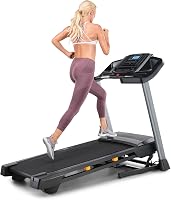
A motorized treadmill has an electric motor that spins the belt for you. This motor is the heart of the machine. It allows you to set a specific speed and incline. The motor keeps the belt moving at that pace. You just need to match its speed with your stride. This makes it feel much like running or walking outdoors.
We found that these machines are generally more popular for home use. They offer a smooth, consistent experience. You can choose your speed, and the treadmill will maintain it. This consistency is great for steady-state cardio. It also means you don’t have to worry about the belt slowing down if your pace falters. Many models come with pre-set programs too.
The Role of the Motor
The motor is rated in horsepower (HP). A higher HP motor generally means a more durable and powerful machine. This is especially true if you plan on frequent or intense use. For walking, a 1.5 to 2.0 HP motor is often sufficient. Running typically requires a 2.5 HP motor or higher. It’s important to consider your primary workout type when looking at motor power.
Speed and Incline Control
With a motorized treadmill, you have direct control over your speed. You can easily adjust it with buttons on the console. This is super helpful for interval training. You can ramp up the speed quickly for a challenging burst. Then, you can slow it down for recovery. The incline feature works similarly. You can electronically raise or lower the front of the deck. This adds another layer of workout variety. Many health organizations recommend varying intensity for better results (CDC).
Manual Treadmills: Your Personal Powerhouse
On the flip side, a manual treadmill requires your own energy to move the belt. There’s no motor involved. The belt only moves when your feet push backward. This means you set the pace entirely. If you stop running or walking, the belt stops moving. It’s a more direct, less assisted form of exercise.
We discovered that manual treadmills are often simpler in design. They tend to be lighter and require less maintenance because there’s no motor to worry about. This can make them a more budget-friendly option as well. They are essentially like a moving ramp. The effort you put in directly translates to belt movement.
The “Feel” of a Manual Treadmill
Using a manual treadmill feels different. It’s more demanding. You’re constantly working to keep the belt moving. This can be a great workout for building leg strength. It really engages your hamstrings and glutes. Some manual treadmills are designed with a curved deck. This can make the motion feel more natural and less jarring on your joints.
The challenge is that the belt can sometimes feel “sticky” or jerky. This is especially true if you’re not moving smoothly. It requires a more coordinated effort. You have to learn to time your steps effectively. It’s less about a steady pace and more about continuous propulsion. Many users find it a more engaging and intense workout than they initially expected.
Workout Experience and Benefits
The way a treadmill operates directly impacts your workout. Each type offers unique advantages and challenges. What feels like a smooth ride for one person might be a demanding push for another.
Motorized Treadmill Experience
Motorized treadmills provide a predictable and controlled workout environment. The consistent belt speed is ideal for beginners or those recovering from injuries. It allows for gradual progression. You can focus on your form without worrying about the belt’s speed. The variety of built-in programs can also add motivation and structure. You might find yourself pushing harder in a virtual race or following a fat-burning routine. These programs are often designed based on exercise science principles (Mayo Clinic).
Manual Treadmill Experience
A manual treadmill offers a more raw and physically demanding experience. It’s like a constant uphill battle. Your calorie burn can be higher because you’re working harder. Many users report feeling more engaged. They have to actively participate in every stride. It can be a fantastic tool for improving your running economy. This is how efficiently your body uses oxygen when you run. A stronger push means a more effective workout. This type of treadmill is often favored by serious athletes looking to boost their power and endurance.
Comparing Key Features and Costs
When you’re ready to buy, comparing features side-by-side is essential. Cost, space, and your fitness goals all play a role.
Price Points and Affordability
Generally, manual treadmills are less expensive than motorized ones. This is due to their simpler construction. They don’t have the added cost of a motor and electronics. Motorized treadmills, especially those with advanced features, can range from several hundred to several thousand dollars. If budget is a major concern, a manual treadmill might be your go-to. However, we found that the initial cost isn’t the only factor. Consider long-term energy costs for motorized models, though they are typically quite low.
Space and Portability
Many manual treadmills are designed to be more compact and lightweight. Compare them with a compact walking pad when space is limited. This makes them a good choice for smaller living spaces. Some even fold up for easier storage. Motorized treadmills tend to be larger and heavier. They require more dedicated space. If you plan to move your treadmill frequently, a manual one will likely be much easier to manage. Always check the dimensions before you buy to ensure it fits your home. Always check the dimensions before you buy to ensure it fits your home.
Maintenance and Durability
With fewer moving parts, manual treadmills usually require less maintenance. You might need to occasionally lubricate the belt. Motorized treadmills, however, have more components that could potentially wear out. This includes the motor, belt, and electronic console. While generally built to last, they may need occasional servicing. We found that both types can be durable if properly cared for.
Which Treadmill is Right for You? A Quick Checklist
To help you decide, consider these points. Think about your personal fitness needs and preferences.
- Your Fitness Goal: Are you walking, jogging, or serious running?
- Your Budget: How much are you looking to spend upfront?
- Your Space: How much room do you have for a treadmill?
- Your Workout Style: Do you prefer steady pacing or a more challenging, self-driven workout?
- Your Need for Features: Do you want pre-set programs and digital displays?
- Noise Level: Manual treadmills can sometimes be louder than motorized ones.
Ultimately, the best treadmill is the one you’ll use consistently. Both manual and motorized options can provide an excellent cardiovascular workout. Your choice should align with your fitness level, goals, and what makes exercising enjoyable for you. Many fitness professionals recommend trying both types if possible before making a final decision.
Conclusion
You’ve now seen the core differences between manual and motorized treadmills. A motorized treadmill offers a powered, consistent workout with adjustable speeds and inclines, making it user-friendly for many. On the other hand, a manual treadmill demands your energy to move the belt, providing a challenging, self-paced experience that can boost strength and calorie burn. We found that both can be excellent for your fitness. To make the best choice, think about your personal goals, budget, and workout style. If you are comparing another cardio option, see our guide to the treadmill and elliptical differences. Your next step is to decide which machine will help you reach your fitness milestones most effectively.
Frequently Asked Questions
Are manual treadmills harder to use than motorized ones?
Yes, generally manual treadmills require more effort to use. You have to use your own leg power to move the belt, which can be more demanding. Motorized treadmills move the belt for you, allowing for a more consistent and less strenuous pace.
Which type of treadmill is better for burning calories?
You can burn a lot of calories on both, but manual treadmills often lead to a higher calorie burn. This is because you are constantly working against the belt’s resistance. Motorized treadmills allow for steady-state cardio, which is also effective for calorie burning.
Can manual treadmills help with leg strength?
Absolutely. Manual treadmills are great for building leg strength. The continuous effort needed to propel the belt engages your hamstrings, glutes, and calves more intensely than on a motorized machine.
What kind of maintenance do these treadmills need?
Manual treadmills are simpler and require less maintenance, usually just occasional belt lubrication. Motorized treadmills have more components like motors and electronics that might eventually need servicing or repair.
Are manual treadmills good for beginners?
For some beginners, a manual treadmill might be too challenging initially. A motorized treadmill offers more control over speed and makes it easier to start with a gentle pace. If you’re looking for a serious challenge right away, a manual one could work. A motorized treadmill offers more control over speed and makes it easier to start with a gentle pace.