Can You Get a Good Workout on a Manual Treadmill?
On this page (6 sections)
Yes, you can absolutely get a good workout on a manual treadmill. Unlike motorized versions, these treadmills rely on your own motion to move the belt, which means you have to work harder to get going and keep moving. This can lead to a more intense calorie burn and improved cardiovascular fitness.
You might be wondering if it’s really comparable to a powered treadmill. Many users find that manual treadmills offer a more natural running or walking stride. They can be a fantastic option for those looking for a simpler, more budget-friendly fitness tool that still delivers a solid workout.
- Manual treadmills offer a great workout.
- They require more effort, leading to higher calorie burn. Manual treadmills require more effort, leading to a higher calorie burn.
- You control the pace entirely with your movement.
- They are often more affordable and simpler.
- Can be great for building leg strength and endurance.
We’ve researched how manual treadmills stack up. Below, we’ll walk you through exactly what you need to know about getting the most from one.
Manual Treadmills: Your Path to a Powerful Workout
Yes, you can absolutely get a great workout on a manual treadmill. It might seem counterintuitive, but these belt-driven machines often demand more from your body. Your own effort is the engine. This means you have to work harder to get moving and keep the belt rolling. Many people find this leads to a more intense calorie burn and better cardiovascular conditioning. Think of it as a natural resistance trainer for your legs and lungs.
You might be wondering if it’s really comparable to a powered treadmill. Many users find that manual treadmills offer a more natural running or walking stride. They can be a fantastic option for those looking for a simpler, more budget-friendly fitness tool that still delivers a solid workout.
We’ve researched how manual treadmills stack up. Below, we’ll walk you through exactly what you need to know about getting the most from one.
How Manual Treadmills Work and Why They’re Effective
A manual treadmill is delightfully simple. It has a belt that doesn’t move on its own. You provide all the power. Your steps push the belt backward. This means you control the speed entirely. If you slow down, the belt slows down. If you speed up, it speeds up too. This direct control can be a game-changer for your workout.
Because you’re powering the belt, you engage more muscles. Your legs have to work harder to initiate and maintain movement. This increased effort translates directly to a higher calorie burn. In fact, some studies suggest manual treadmills can burn more calories per minute than motorized ones, especially at higher speeds. It’s like running against a gentle resistance all the time.
The Muscle Engagement Advantage
When you run or walk on a manual treadmill, you’re not just moving your legs forward. You’re actively pulling the belt backward with each stride. This requires more work from your hamstrings and glutes. You also need to engage your core more to maintain stability. This is because there’s no motor to smooth out your stride. You become the motor!
This extra muscle activation is excellent for building leg strength and endurance. It’s a natural way to make your lower body work harder. For runners, this can translate to better power and efficiency on the road or trail. It’s a fantastic way to prepare your body for more demanding outdoor activities.
Cardiovascular Benefits: Getting Your Heart Pumping
Manual treadmills are excellent for your heart health. Since you’re constantly working to move the belt, your heart rate will likely be higher than on a similar speed setting on a motorized treadmill. This means you’re getting a more efficient cardiovascular workout in less time. The American Heart Association recommends regular aerobic exercise to improve heart health and reduce the risk of heart disease.
The constant effort required can help improve your stamina and lung capacity. You’ll notice a difference in how long you can sustain activity. This makes them ideal for interval training. You can push hard for short bursts and then recover, all while maintaining control of the pace.
Comparing Manual Treadmills to Motorized Models
The biggest difference is obvious: the motor. For related guidance, see manual and motorized treadmills. Motorized treadmills have a motor that powers the belt. You set a speed, and the belt moves at that speed. Manual treadmills rely solely on your momentum. This fundamental difference impacts the workout experience.
| Feature | Manual Treadmill | Motorized Treadmill |
|---|---|---|
| Power Source | Your body’s motion | Electric motor |
| Speed Control | You control with your stride | Set by console buttons |
| Effort Level | Higher, more engaging | Variable, can be easier |
| Calorie Burn | Potentially higher per minute | Can be high, depends on user |
| Noise Level | Generally quieter | Can be noisy due to motor |
| Price | Typically more affordable | Generally more expensive |
| Maintenance | Simpler, fewer parts | More complex, motor needs care |
Cost and Simplicity
Manual treadmills are often significantly more affordable than their motorized counterparts. They have fewer moving parts and no electronic components. This simplicity means fewer things can break and lower manufacturing costs. You can often find a good quality manual treadmill for a fraction of the price of a basic motorized one. This makes them a great entry point into home fitness.
They also require less space and are generally lighter. Many can be folded for storage. Their operation is straightforward: just hop on and start walking or running. There’s no complicated console to figure out. It’s fitness without the fuss.
Stride Naturalness and Impact
Many users report that manual treadmills feel more like running or walking outdoors. The belt moves according to your pace. This natural responsiveness can help you develop a more efficient and natural stride. You’re not fighting against a constant motor speed. You’re working with the machine.
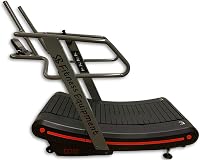
Some manual treadmills are designed with curved decks. These curved surfaces can help promote a more natural running form and reduce impact. They encourage you to land on your midfoot rather than your heel. This can be easier on your joints. However, some manual treadmills have a flat belt, similar to motorized ones. It’s worth checking the design if joint impact is a concern for you.
Getting the Most Out of Your Manual Treadmill Workout
To get the best results, you need to approach your manual treadmill workout strategically. It’s not just about hopping on and hoping for the best. Think about your goals. For related guidance, see manual treadmill options for CrossFit. Are you looking to burn calories? Improve endurance? Build strength? Your strategy will vary.
Warming Up is Key
Just like any workout, a treadmill warm-up is essential. Start by walking at a very easy pace for about five minutes. This gets your blood flowing and prepares your muscles for more intense activity. You might even do a few dynamic stretches off the treadmill before you begin. A good warm-up helps prevent injuries and makes your workout more effective.
Mastering Your Pace
The trick with a manual treadmill is learning to control your pace effectively. Don’t just stomp your feet. Focus on smooth, controlled strides. If the belt feels slow, increase your cadence (steps per minute) or lengthen your stride slightly. If it feels too fast, ease up on your stride length or cadence. It takes a little practice, but you’ll get the hang of it quickly.
Interval training is incredibly effective on a manual treadmill. Try alternating between periods of high effort (where you really have to push to keep the belt moving) and lower effort recovery periods. For example, sprint for 30 seconds, then walk for 60 seconds. Repeat this cycle. This method is great for boosting metabolism and improving cardiovascular fitness.
Incorporating Different Speeds and Inclines
Many manual treadmills offer an incline feature. Adjusting the incline can significantly change the intensity of your workout. Higher inclines demand more power from your leg muscles and increase the cardiovascular challenge. Many guidelines point to incline training as a great way to boost calorie burn and work different muscle groups (Mayo Clinic).
Experiment with different incline levels. Start with a modest incline, say 2-3%, and gradually increase it as you get fitter. You can also combine incline changes with your interval training for an even tougher session. For instance, do high-intensity intervals on a moderate incline, then switch to a steep incline for a walking recovery.
Workout Checklist for Manual Treadmill Success
Here’s a quick checklist to ensure you’re getting the most from your manual treadmill:
- Always warm up for 5-10 minutes.
- Find your comfortable walking/running stride.
- Practice controlling speed with your leg movement.
- Incorporate interval training for intensity.
- Utilize incline settings to vary your workout.
- Cool down with a gentle walk and stretches.
Conclusion
You’ve seen that a manual treadmill is far more than just a budget-friendly option. It’s a powerful tool that demands your effort, leading to a more intense calorie burn and robust muscle engagement. By controlling the belt speed with your own movement, you naturally build leg strength and improve your cardiovascular health. Unlike motorized models, it offers a simpler, more natural stride and requires less maintenance. Ready to give it a try? Start with a short session, focusing on smooth movement and gradually incorporate interval training to truly feel the difference.
Frequently Asked Questions
Are manual treadmills safe for beginners?
Yes, manual treadmills can be very safe for beginners when used properly. You are in complete control of the belt’s speed, so you can start at a very slow pace. It’s wise to begin with a short warm-up walk and focus on finding a comfortable stride before increasing intensity.
How can I make my manual treadmill workout more challenging?
To increase the challenge, you can adjust the incline if your model has that feature. You can also focus on increasing your cadence (steps per minute) or stride length. Implementing interval training, alternating between high-effort bursts and recovery periods, is another excellent way to boost intensity.
Will a manual treadmill help me lose weight?
Absolutely. Manual treadmills can lead to a higher calorie burn per minute compared to motorized treadmills due to the increased effort required. Consistent workouts combined with a healthy diet are effective for weight loss.
Do manual treadmills require electricity?
No, manual treadmills do not require electricity. They are powered entirely by your own body’s motion. This makes them a great option for areas without easy access to power outlets or for those looking to reduce their energy consumption.
What kind of maintenance do manual treadmills need?
Manual treadmills require very little maintenance. You’ll want to keep the belt clean and ensure it’s properly lubricated according to the manufacturer’s instructions. Their simple design means fewer parts to worry about compared to motorized models.